
Scorzonera psychrophila
Scorzonera psychrophila
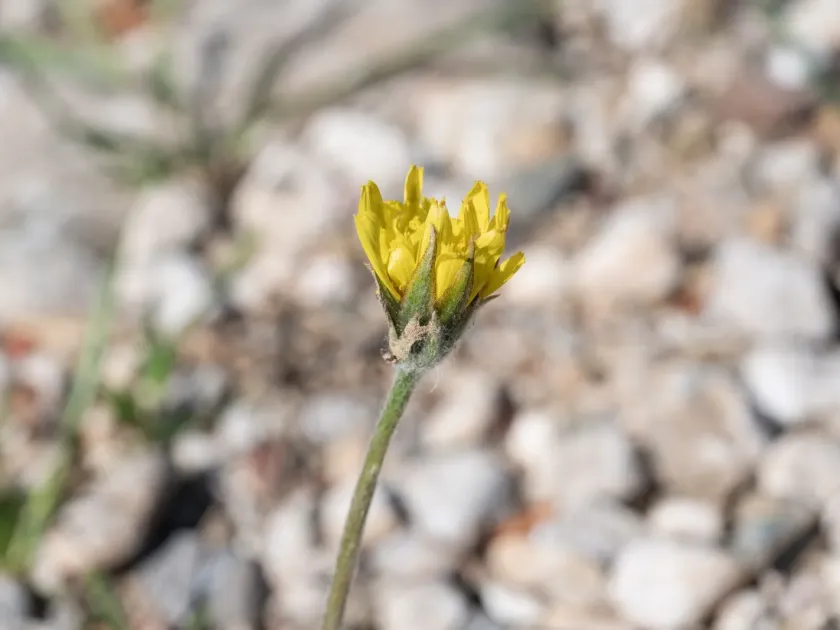
Description
Sowing dates
Sowing of Scorzonera psychrophila should be performed in early spring as soon as the soil becomes workable. As a cold-hardy species, it is well-adapted to cooler climates and can withstand early season temperature fluctuations.
The seeds should be sown in rows spaced approximately 30 to 40 centimeters apart. This spacing ensures adequate air circulation and provides sufficient room for the root systems to develop without competition for nutrients.
Depth of sowing should be maintained between 2 and 3 centimeters. Proper depth is crucial for uniform germination, especially in variable spring weather conditions where moisture levels can fluctuate.
Thinning is a necessary step once the seedlings reach the stage of true leaves. Maintaining a distance of 10 to 15 centimeters between plants in a row is recommended to prevent overcrowding and promote larger root development.
Late autumn sowing is also a viable option in many regions, allowing for earlier development in the following season. Seeds should be sown just before the ground freezes to ensure they remain dormant until spring.
Growing requirements
Scorzonera psychrophila belongs to the Asteraceae family and is recognized for its unique ability to thrive in colder environments. It is a perennial herbaceous plant with high adaptability to harsh northern climates.
The crop requires light, deep, and well-drained sandy or loamy soils. Avoiding heavy, waterlogged ground is essential, as the root system is highly susceptible to rot if soil aeration is poor.
Soil pH should ideally be neutral or slightly acidic. Proper soil preparation before planting, including deep tilling, is required to prevent the deformation of the growing root crops.
Regular cultivation through weeding and loosening the topsoil is vital. This practice not only manages weeds but also preserves soil moisture and facilitates the penetration of nutrients to the root zone.
The plant prefers full sun exposure but can handle partial shade. Proper sunlight is necessary for the development of the leaf rosette, which supports the energy storage in the root.
Yield
The yield of Scorzonera psychrophila is heavily influenced by soil depth and the availability of essential micronutrients during the peak growth months of summer and autumn.
Biologically, the plant grows slowly during the first months of its life, focusing mainly on establishing a strong taproot. The most significant biomass accumulation occurs during the latter part of the season.
Yield metrics are dependent on regional climate and management practices. Implementing an intensive cultivation strategy with scheduled irrigation can result in significantly higher production of high-quality roots.
Economic utility of this crop spans both the food and herbal industries. Its nutritional profile makes it a specialty product, often sought after by culinary experts for its unique taste and texture.
Post-harvest storage requires specific conditions to maintain quality. Ideal storage environments are characterized by high humidity and near-zero temperatures, preventing desiccation and loss of freshness.
Main diseases and pests
Root rot is the most common threat to the crop, particularly in fields with poor drainage or during seasons with excessive rainfall. These fungal diseases can quickly spread if the crop is not rotated properly.
Wireworms represent a significant pest threat as they feed on the developing taproots, causing physical damage that creates entry points for secondary pathogens and lowers the market value.
Aphid populations may emerge during dry, hot spells, attacking the foliage and reducing the photosynthetic capacity of the plant. Monitoring and timely intervention with biological controls are recommended.
Nematode infestations can occur if crop rotation practices are neglected. Maintaining a four-year interval between plantings in the same field is the most effective preventive measure against soil-borne pests.
General hygiene in the field, including the removal of debris and infected plant matter, helps mitigate the risk of pathogen build-up over several growing cycles.
Harvesting
Harvesting is typically carried out in late autumn when the plant has finished its seasonal growth and the root has reached its peak physiological maturity.
Manual extraction using garden forks is the standard method, as it minimizes the risk of breaking or wounding the roots. Cleanly extracted roots are significantly less prone to decay during storage.
After extraction, the foliage should be trimmed close to the crown, taking care not to damage the bud. This prepares the root for washing, sorting, and long-term storage.
Sorting by size and quality is essential for efficient post-harvest handling. Damaged or undersized roots should be separated for immediate use or processing into secondary products.
In colder regions, some growers choose to leave a portion of the harvest in the ground, protected by a layer of mulch, to be dug up as needed during the winter or early spring.