
Scorzonera multiscapa
Scorzonera multiscapa
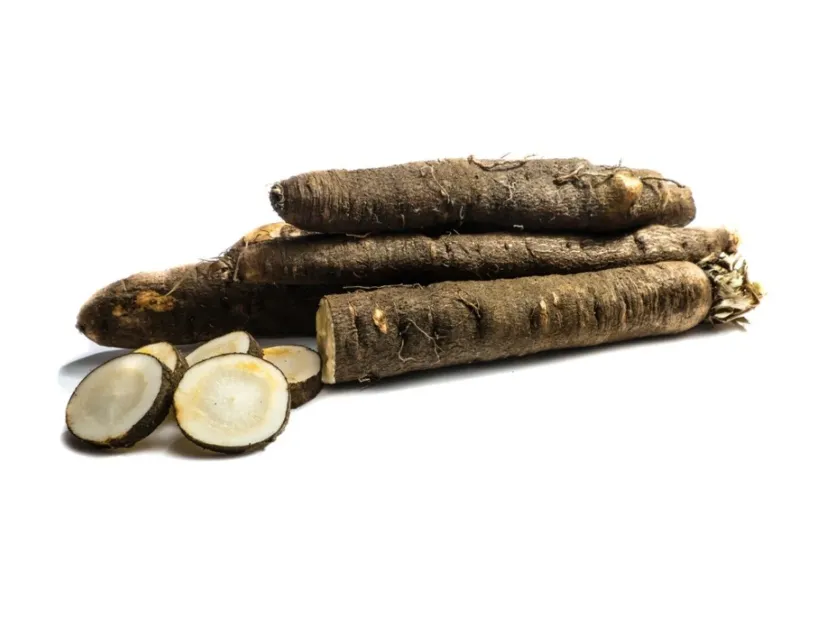
Description
Sowing dates
Scorzonera multiscapa is a perennial herbaceous plant belonging to the Asteraceae family. Sowing is typically carried out in early spring as soon as the soil is workable, although autumn sowing is also a viable practice in milder climates to encourage earlier germination.
The seeds should be sown in rows spaced approximately 30 to 45 centimeters apart to allow sufficient airflow and room for root development. A planting depth of 2 to 3 centimeters is ideal for ensuring consistent emergence in well-prepared, loose soil.
Thinning is an essential step in the early stages of growth. Once the seedlings have reached the 2-3 true leaf stage, they should be thinned to a spacing of 10-15 centimeters between plants to prevent competition for nutrients and space.
Weed management is critical during the first few weeks, as Scorzonera develops relatively slowly initially. Keeping the rows free of competing vegetation ensures that the plants establish a strong root system before the onset of summer heat.
For large-scale cultivation, using seeders calibrated for small seeds ensures even spacing and reduces the need for manual thinning. Soil temperature should ideally be at least 5-8 degrees Celsius to provide the necessary conditions for successful germination.
Growing requirements
This crop thrives in deep, well-drained, and fertile soils. Light loams or sandy soils are preferred, as they allow the long, fleshy taproot to grow straight down without obstruction or deformation, which is crucial for high-quality yields.
Scorzonera multiscapa is known for its hardiness and drought tolerance, yet it requires consistent moisture throughout the growing season to produce high-quality, succulent roots. Irrigation should be applied evenly, avoiding waterlogged conditions that could trigger root rot.
The plant performs best in neutral to slightly alkaline pH soils. While it does not require heavy fertilization, incorporating compost or well-rotted manure in the previous year creates an ideal substrate. Excessive fresh nitrogen should be avoided during the current season.
Full sunlight is preferred for the best development, although the plant can tolerate partial shade in hotter climates. Its ability to survive in arid, continental conditions makes it a robust choice for regions with fluctuating seasonal temperatures.
Proper drainage is the most important factor in site selection. Because the roots penetrate deep into the ground, a raised bed or a site with a low water table is ideal to prevent the roots from rotting during wet periods or heavy rainfall.
Yield
The edible part of the plant is the taproot, which is highly prized for its nutritional profile, particularly its high inulin content. With proper agrotechnical care, the yield can reach 1.5 to 3 kilograms per square meter.
The roots possess a delicate, asparagus-like flavor, leading to the name "black salsify" or "winter asparagus" in various culinary traditions. They are highly versatile and can be used in soups, stews, or served as a side dish.
Maximum yield potential is achieved when the soil is cultivated to a depth of at least 30-40 centimeters. This depth allows the roots to reach their full length and thickness without being stunted by compacted subsurface layers.
The plant is also edible in its leafy form; young leaves can be harvested for salads. This provides an additional source of fresh greens early in the season, adding to the total productive value of the crop in a home garden or farm setting.
For industrial production, selecting high-quality seeds that yield uniform, straight roots is important for marketability. Efficient harvesting and storage processes further ensure that the yield remains profitable throughout the winter months.
Main diseases and pests
The most significant threats to Scorzonera multiscapa are fungal diseases like white mold, which can occur if the planting density is too high or if drainage is inadequate. Proper spacing and airflow are the best preventative measures.
Soil pests such as wireworms or larvae of the cockchafer may damage the taproots. Practicing crop rotation and deep autumn plowing are effective ways to disrupt the life cycles of these pests and minimize their population on the field.
Powdery mildew can affect the foliage during periods of high humidity and heat. If caught early, the infection can be managed by applying eco-friendly fungicides or by ensuring the plants are not overcrowded, which helps dry the leaves faster after rain.
Slugs can be a nuisance for young seedlings in the spring. Using physical barriers or organic traps can successfully protect the crops without the need for synthetic chemical pesticides that could harm soil biodiversity.
Maintaining high hygiene standards by removing plant debris at the end of the season prevents the overwintering of pathogens. This simple practice is vital for ensuring long-term health and productivity for the area dedicated to Scorzonera.
Harvesting
Harvesting usually begins in late autumn, ideally after the first frost, as cold temperatures enhance the flavor by converting starches into simple sugars. This ensures the best culinary experience for the consumer.
Digging the roots requires care, as they are brittle and prone to breaking. Using a garden fork rather than a shovel helps loosen the soil deeply without damaging the delicate skin of the roots, which is essential for successful storage.
After lifting, the roots should be cleaned of soil and air-dried in a shaded, well-ventilated area for a short period. Avoiding direct sunlight is key to preventing the roots from losing moisture and wilting prematurely.
For storage, placing the roots in boxes of moist sand in a cool basement or cellar is the standard method. This keeps them in a dormant state while maintaining their juiciness and preventing them from shriveling until the spring.
Some growers leave a portion of the crop in the soil over winter, as the plant is cold-hardy. This allows for a fresh, "garden-to-table" harvest early in the spring, as soon as the ground thaws and the roots begin their next growth cycle.