
Scorzonera graminifolia
Scorzonera graminifolia
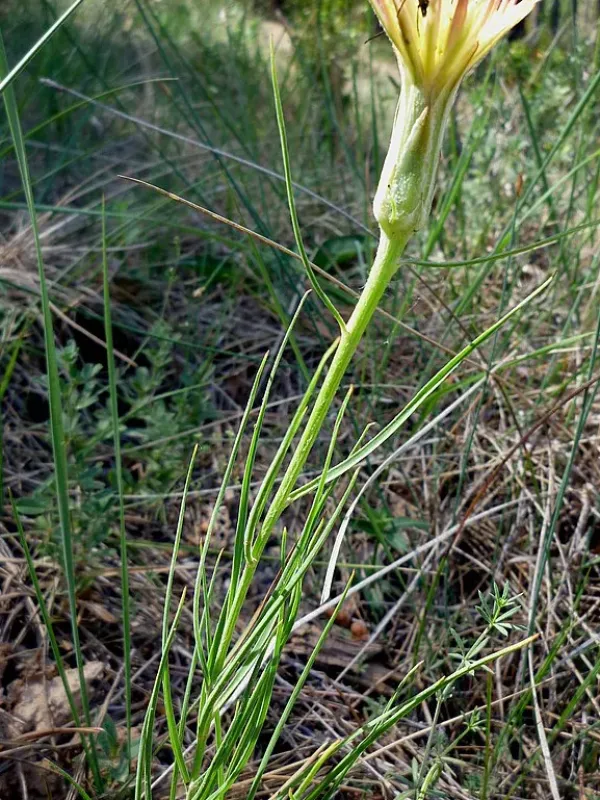
Description
Sowing dates
Scorzonera graminifolia is typically propagated by seeds, which should be sown in early spring or autumn to allow for proper root establishment.
The seeds are planted in rows spaced 30 to 40 cm apart, with individual plants thinned to a distance of 10 to 15 cm to prevent overcrowding.
Seed germination is relatively slow, often requiring careful maintenance of soil moisture to ensure success during the initial emergence phase.
A well-prepared seedbed is essential, as the fine seeds should be covered with only a light layer of soil, not exceeding 2 cm in depth.
For perennial cultivation, it is important to choose a location where the plants can remain undisturbed for several years to achieve maximum root diameter.
Growing requirements
This species thrives in sunny environments with full exposure, as shade can severely limit the photosynthetic activity and final crop size.
Deep, fertile, and well-drained loamy soils are ideal, as they allow the fleshy taproot to grow straight without developing excessive side branches.
The plant demonstrates moderate drought tolerance once established, but consistent soil moisture is required for high-quality, succulent root production.
Avoid heavy clay soils that may impede root expansion or cause waterlogging, which often leads to root decay and physiological disorders.
Applying compost or well-rotted organic matter before sowing helps to improve soil structure and provides necessary micronutrients for healthy growth.
Main diseases and pests
The main threats to this crop include soil-dwelling insects like wireworms, which can bore into the roots and create pathways for pathogens.
Fungal diseases, such as root rot or powdery mildew, can appear during periods of high humidity or poor ventilation between plants.
Effective management involves maintaining a diverse crop rotation strategy to break the life cycles of common pests and soil-borne diseases.
Monitoring for signs of herbivorous damage on the leaves is important, as premature defoliation reduces the plant's ability to store energy in the roots.
Cultural practices, such as weed control and appropriate spacing, play a critical role in minimizing stress and increasing the plant's resistance to infection.
Harvesting
The roots are typically ready for harvest in late autumn, when the foliage begins to senesce and the nutrient concentration in the taproot is highest.
Extreme care is required during harvest to keep the roots intact, as any breakage or surface wound can cause the loss of valuable juices.
Tools such as garden forks should be used to loosen the soil deeply around the plants before lifting them carefully from the ground.
After harvesting, the roots should be cleaned, trimmed of excess greens, and stored in cool, dark, and humid conditions to maintain freshness.
When stored in properly managed cool conditions, these roots can remain shelf-stable and fresh for many months, making them a valuable winter crop.