
Scorzonera fistulosa
Scorzonera fistulosa
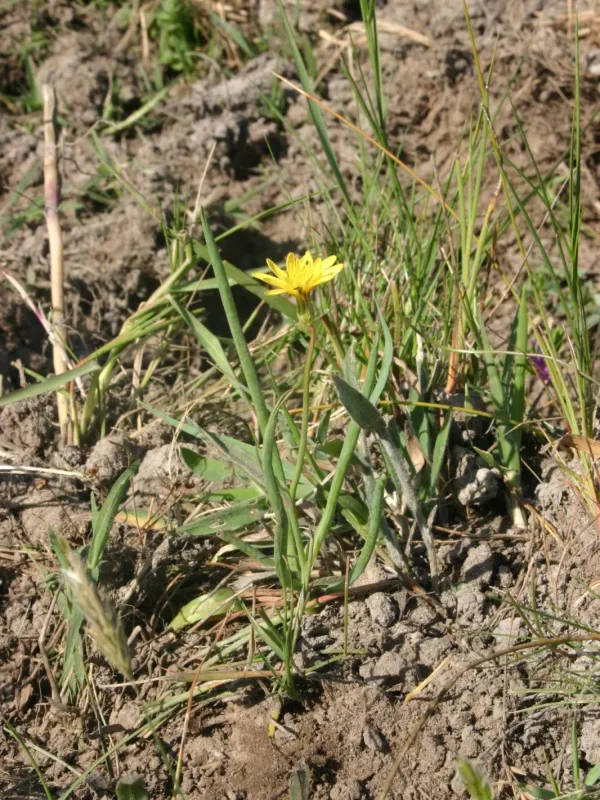
Description
Sowing dates
Scorzonera fistulosa is a member of the Asteraceae family. In agricultural practice, the sowing of this crop is typically performed in early spring, as soon as the soil warms up to a range of 5–8 degrees Celsius.
The seeds of this crop have high viability but exhibit a relatively slow germination period, so pre-soaking of the planting material is recommended. The optimal sowing depth is 2–3 centimeters, depending on the soil structure.
To ensure proper root formation, a row spacing of 25–30 centimeters is maintained. This provides sufficient space for root development and facilitates subsequent weeding and soil aeration between rows.
In regions with mild climates, late autumn sowing is possible to achieve an earlier harvest the following season. When using this method, it is crucial to select fields that are not prone to standing water or spring flooding.
The crop is relatively cold-tolerant, allowing young seedlings to withstand light spring frosts, although steady warmth is required for active growth during the initial developmental phases.
Growing requirements
Scorzonera prefers well-lit fields with loose, fertile sandy loam or light loamy soils. Heavy clay soils often cause root deformation, which significantly reduces the marketability of the crop.
A deep plow layer is essential, as the taproot can reach considerable lengths. The soil should be well-structured and free of stones, rocks, or large clumps that can impede straight root growth.
The plant has moderate water requirements. Irrigation must be consistent during the active root development phase, yet excessive moisture should be avoided to prevent tissue rotting or root cracking.
The crop is highly sensitive to the presence of fresh organic matter in the soil. It is recommended to apply compost or well-rotted manure to the preceding crop to avoid root branching and physiological stress.
The ideal soil pH level for the healthy development of Scorzonera ranges between 6.0 and 7.0. Soil testing is recommended, and liming should be performed if the soil is found to be too acidic.
Yield
The yield of Scorzonera fistulosa depends on soil fertility and adherence to proper planting density. On average, a yield of 2 to 4 kilograms per square meter is achievable under optimal conditions.
The long vegetation period contributes to the accumulation of beneficial nutrients. Maximum root mass is attained by the end of the season, provided that thinning is performed when the plants reach the 2–3 leaf stage.
To increase marketable output, it is important to avoid mechanical damage during field maintenance, as any injury to the root surface negatively impacts storage longevity and quality.
Economic efficiency is improved by utilizing intensive cultivation techniques, which include scheduled mineral fertilization with a focus on phosphorus and potassium to strengthen root tissues.
Product quality is defined by the uniformity of the root. Well-developed roots should feature a dark skin, dense white flesh, and a pleasant, slightly sweet flavor that is highly valued in the culinary market.
Main diseases and pests
Weed infestation is the primary threat to young Scorzonera plants, as they grow slowly during the early stages. Consistent weeding is a mandatory part of the agricultural technology for this crop.
Soil pests, such as wireworms, can damage the roots, which creates entry points for various fungal infections. Maintaining proper crop rotation is the most effective way to mitigate this risk.
In humid conditions, the crop may be susceptible to powdery mildew or white rot. These diseases typically emerge in overcrowded stands where air circulation is restricted.
Aphids may colonize the foliage during the active vegetation phase, extracting sap and slowing growth. Monitoring the fields is essential to apply localized control measures before an outbreak occurs.
- Rotate crops to minimize the build-up of soil-borne pests.
- Ensure optimal plant spacing to promote adequate ventilation.
- Remove and destroy plant residues after harvest to reduce pathogen reservoirs.
Harvesting
The harvest is conducted in dry weather during the second half of autumn, once the plant has completed its vegetation cycle and stored sufficient nutrients in the roots.
Extracting the roots from the soil requires precision. Because the tissue is fragile, gardeners and farmers should use garden forks to lift the soil layer rather than pulling the plants by hand.
After extraction, the foliage should be trimmed near the crown of the root, taking care not to damage the growth point, which is critical for preventing moisture loss and maintaining product quality.
The harvested roots should be air-dried in a shaded, well-ventilated area for a few hours before cleaning off remaining soil and sorting them according to size.
Storage is performed in root cellars or refrigeration units at a temperature of 0–2 degrees Celsius and high relative humidity, preferably layered in sand to prevent dehydration and shriveling.