
Scoparia dulcis
Scoparia dulcis L.
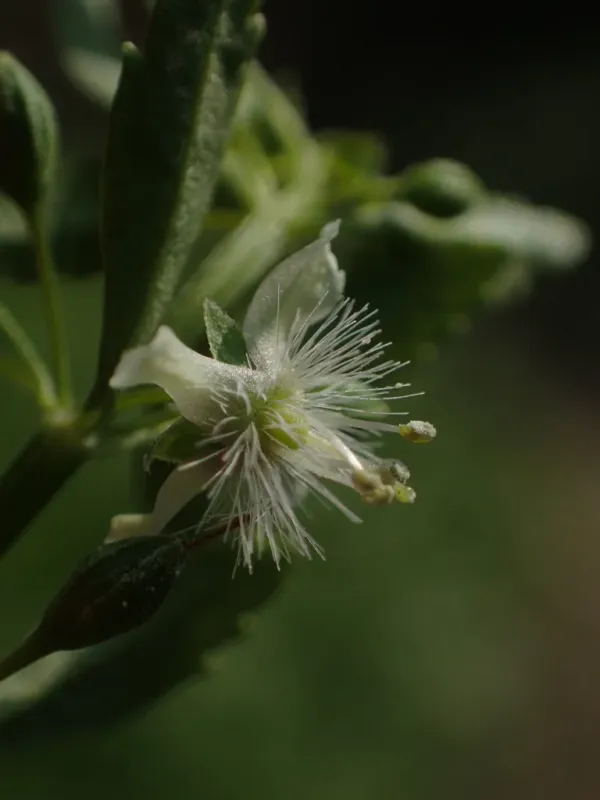
Description
Sowing dates
Scoparia dulcis is a warm-season crop that requires high soil temperatures for successful germination and early stage development.
Seeds should be sown in prepared nursery beds or trays before transplanting to the main field to ensure a uniform plant stand.
Direct field sowing is feasible in tropical climates provided that the soil is sufficiently moist and temperatures remain above 20 degrees Celsius.
The small size of the seeds necessitates shallow planting to allow sufficient sunlight penetration for triggering the germination process.
Spacing should be managed to ensure adequate ventilation and access to sunlight for every plant throughout the growth cycle.
Growing requirements
As a member of the Plantaginaceae family, Scoparia dulcis thrives in sunny, open locations with well-drained, fertile soil types.
The plant demonstrates high adaptability to tropical and subtropical climates but requires consistent moisture to achieve maximum growth.
Soil pH should ideally be neutral or slightly acidic, which facilitates the optimal uptake of essential macro and micronutrients.
Organic soil amendments, such as compost, are highly beneficial for improving soil structure and providing sustained nutrient release.
Regular weeding is essential in the early stages of growth to prevent resource competition from invasive species.
Yield
Biomass production is significantly increased through proper management practices, including irrigation and targeted nutrient application.
Regular pruning or pinching of the apical buds encourages branching, leading to a higher density of foliage and total herb yield.
Harvesting typically occurs when the plants reach the peak flowering stage, which correlates with the highest concentration of active compounds.
Yield stability is maintained by monitoring the crop's physiological needs and adjusting the irrigation schedule according to evapotranspiration rates.
Optimal environmental management can lead to multiple harvest cycles in a single growing season under tropical conditions.
Main diseases and pests
The crop is occasionally susceptible to foliage-feeding insects that can significantly reduce the overall photosynthetic capacity of the plant.
Fungal diseases are more prevalent in high-humidity conditions, requiring vigilant field monitoring and preventive sanitation practices.
Soil-borne pathogens may affect root health, especially if the site lacks proper drainage or if crop rotation practices are ignored.
Integrated pest management strategies are recommended to reduce the need for chemical interventions and maintain the plant's medicinal quality.
Maintaining adequate plant spacing minimizes the microclimate moisture, reducing the likelihood of disease outbreaks within the field.
Harvesting
The harvesting process involves cutting the aerial parts of the plant, typically before the onset of lignification in the main stems.
Immediate drying is required post-harvest to preserve the phytochemical profile and prevent quality degradation due to heat or humidity.
Drying facilities must be well-ventilated and kept away from direct sunlight to ensure the medicinal properties are fully retained.
The dried material is typically processed into smaller particles and stored in moisture-proof containers to ensure shelf-life longevity.
Proper harvest documentation and quality control checks are essential for maintaining standards for pharmaceutical and herbal use.