
Scleropodium purum
Scleropodium purum
Description
Growing requirements
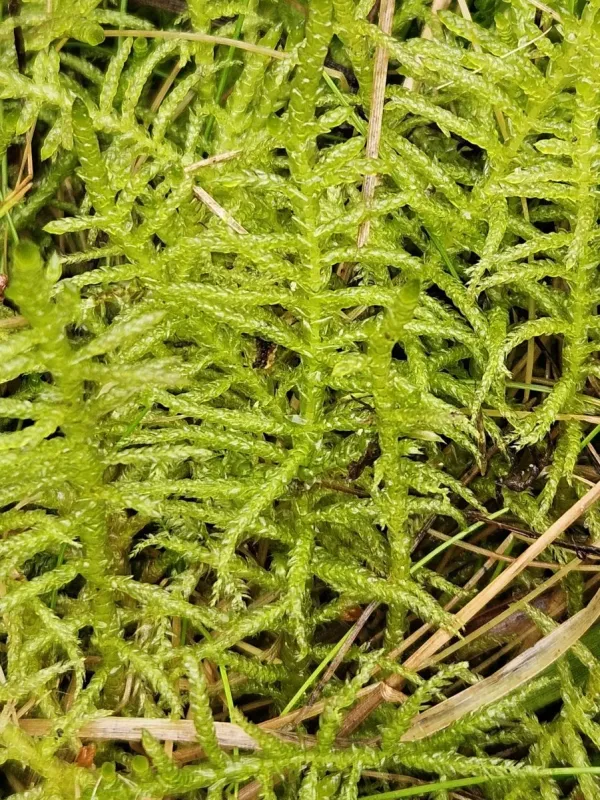
Scleropodium purum, frequently referred to in modern taxonomy as Pseudoscleropodium purum, is a prominent moss species belonging to the Brachytheciaceae family. This bryophyte is characterized by its feathery, pinnately branched stems and vibrant green appearance, forming thick mats on the forest floor.
The native range of this species extends across temperate regions of Europe and parts of Asia. It thrives in high-humidity habitats, often serving as a key component of the understory in deciduous and coniferous forests where it contributes to nutrient cycling and soil moisture retention.
For successful cultivation, a shaded environment with consistently moist soil is essential. It performs best in sites that do not experience drastic temperature fluctuations and are protected from harsh, drying winds that could damage its delicate cellular structure.
The plant demonstrates a preference for acidic substrates. Unlike vascular plants, it does not possess true roots, absorbing moisture and nutrients primarily through its leaves, which makes air quality and purity of irrigation water critical to its overall health and survival.
In landscaping, it is utilized as an ornamental ground cover to achieve a naturalistic aesthetic. It is especially popular in woodland garden designs, moss walls, and as an ecological alternative to grass in areas where sunlight is insufficient for turf growth.
Main diseases and pests
The primary threat to the longevity of Scleropodium purum populations is physiological stress caused by desiccation. Extended dry periods force the moss into a dormant state, during which it loses its characteristic vivid green color and risks tissue degradation.
Fungal infections are common when moisture management is poor. Stagnant water facilitates the spread of pathogens that cause dark, necrotic spots on the moss mats, often leading to patchy growth that necessitates manual repair of the affected areas.
Invertebrate pests, such as slugs and snails, find the dense, moist layers of this moss to be an ideal habitat and feeding ground. Persistent pest control, usually manual removal, is often required in garden settings to protect the moss carpet.
Industrial pollutants and heavy metals pose a significant risk to the plant's biological functions. As a bioindicator, Scleropodium purum is highly susceptible to toxic deposits, which quickly result in plant death near urban or industrial zones.
Competition from fast-growing invasive weeds is a critical factor during the establishment phase. Removing competitive vegetation is vital until the moss has fully covered the desired area and formed a competitive, dense colony.