
Sclerochiton harveyanus
Sclerochiton harveyanus
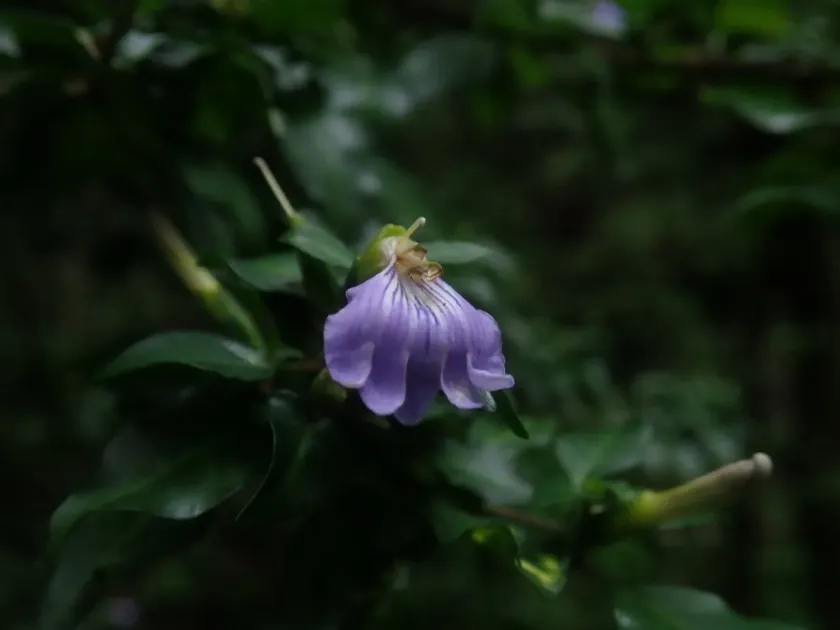
Description
Growing requirements
Sclerochiton harveyanus belongs to the Acanthaceae family. It is an evergreen shrub native to the forested regions of South Africa, where it thrives in humid, shaded environments under the forest canopy.
The plant requires bright, filtered light to maintain its foliage color and health. Direct exposure to intense midday sunlight can cause scorching, so positioning the plant in a semi-shaded area is essential for its well-being.
Regarding soil, it prefers a nutrient-rich, well-draining substrate. A mixture incorporating peat, perlite, and organic compost creates the optimal environment to prevent water stagnation, which is critical for root health.
Climate-wise, this species is strictly tropical and subtropical, requiring stable temperatures between 18 and 26 degrees Celsius. It does not tolerate frost or cold drafts, necessitating indoor cultivation in temperate climates.
Agricultural management involves consistent watering during the growing season and high ambient humidity. Occasional pruning is necessary to maintain the shape of the shrub and encourage denser branching.
Main diseases and pests
The most common pests include spider mites, which typically target the undersides of leaves during periods of low humidity. Frequent misting and the use of insecticidal soap are recommended for management.
Mealybugs can also infest the plant, hiding in leaf axils. Mechanical removal followed by systemic insecticide applications is usually necessary to keep the infestation from spreading across the entire shrub.
Fungal diseases, specifically root rot, occur when the soil remains too wet for extended periods. Ensuring the pot has proper drainage holes and using a light soil mix is the primary preventative measure.
Powdery mildew can affect the foliage if there is poor air circulation. Improving ventilation around the plant is an effective way to prevent the spread of fungal spores in greenhouse conditions.
Leaf chlorosis is a common symptom indicating either nutrient deficiency, such as iron or magnesium, or incorrect soil pH. Testing the soil and applying balanced micronutrient fertilizers will restore the plant's health.