
Scleranthus uniflorus
Scleranthus uniflorus
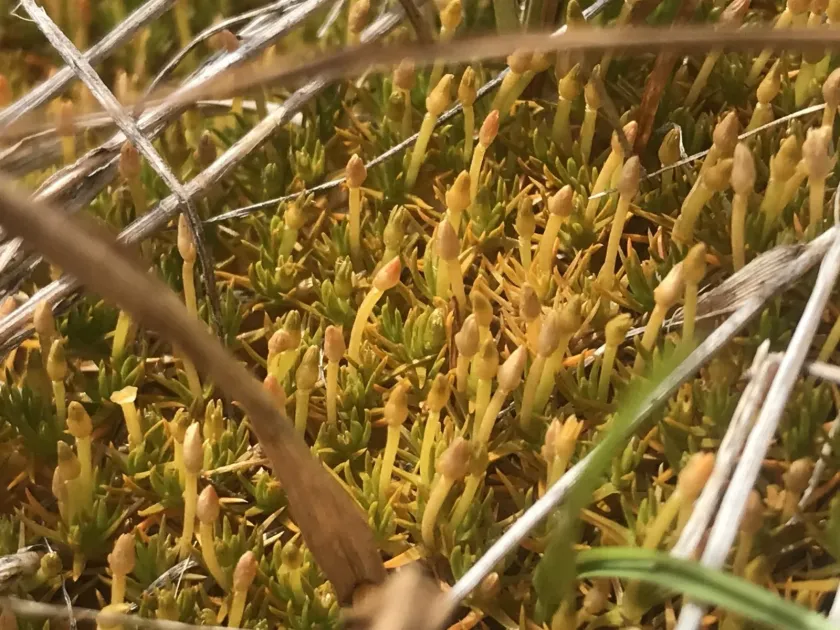
Description
Growing requirements
Scleranthus uniflorus is a perennial herb belonging to the Caryophyllaceae family. Native to the alpine regions of New Zealand, it is renowned for forming dense, moss-like mats or cushions that provide a striking aesthetic in rock gardens and landscapes.
Botanically, this species is characterized by its stiff, needle-like leaves arranged in tight rosettes. The plant's ability to withstand harsh environmental conditions in its native habitat makes it a hardy choice for well-drained, nutrient-poor soils in cultivation.
Successful growth requires full sun exposure and excellent soil drainage. Scleranthus uniflorus thrives in environments where it is not crowded by more vigorous plants, preferring gravelly or sandy substrates that mimic its natural mountainous home.
Agronomic management involves maintaining moderate moisture levels while strictly avoiding waterlogged conditions. The plant requires minimal fertilization, as high nutrient levels can cause the cushion to lose its structural integrity and increase susceptibility to rot.
In terms of usage, it is primarily an ornamental crop used for xeriscaping and alpine rock garden design. Its slow growth rate means it requires little to no maintenance once established, making it a sustainable choice for decorative green ground cover.
Main diseases and pests
The primary threat to Scleranthus uniflorus is crown rot caused by poor soil drainage and stagnant water. During winter or rainy seasons, if water collects around the base, the plant is highly likely to succumb to fungal decay.
High humidity combined with poor airflow can lead to fungal outbreaks, which manifest as discoloration or dead spots within the cushion. Ensuring the planting site has good air circulation is a key preventative agronomic practice.
Pests are generally not a major concern; however, during extended periods of drought, spider mites may colonize the foliage. Monitoring and applying gentle pest control measures are recommended only when infestations threaten the plant's health.
Weed management is critical during the establishment phase, as the slow-growing nature of the species makes it vulnerable to being overtaken by aggressive weeds. Manual weeding is preferred to avoid the risk of chemical damage from herbicides.
Early spring care is essential to prevent "winter burn" and rot caused by melting snow. Clearing debris and ensuring that moisture from melting snow does not persist around the plants are vital steps for maintaining a healthy cushion.