
American chaffseed
Schwalbea americana
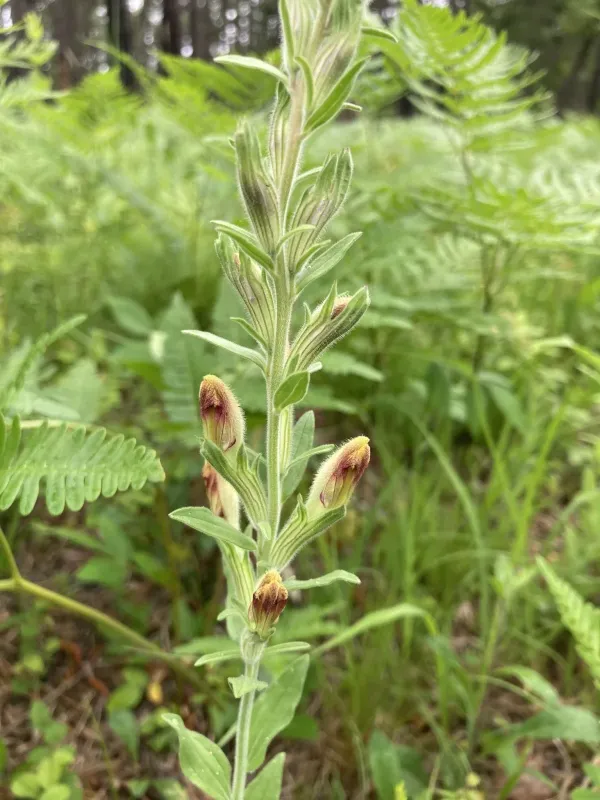
Description
Growing requirements
American chaffseed (Schwalbea americana) is a perennial herbaceous plant belonging to the Orobanchaceae family. It is a distinctive species known for its specialized biological strategy as an obligate hemiparasite that requires host plants to survive.
Although the plant contains chlorophyll and performs photosynthesis, it relies on haustoria to extract nutrients and water from the root systems of various host species. This dependency makes it an extremely sensitive and specialized component of its native ecosystems.
The plant is native to the coastal plain regions of the eastern United States. It traditionally thrives in habitats such as pine barrens, wet savannas, and open prairies that are maintained by frequent, low-intensity natural wildfires which prevent woody encroachment.
The ecological requirements of Schwalbea americana include high solar radiation and specific soil composition, typically sandy or peaty soils with low nutrient content where it can successfully establish parasitic connections with appropriate hosts.
Due to habitat destruction and the suppression of natural fire regimes, the American chaffseed is federally listed as an endangered species. It does not have agricultural applications, and its management is focused entirely on ecological restoration and habitat preservation efforts.