
Schoenoxiphium lehmannii
Schoenoxiphium lehmannii
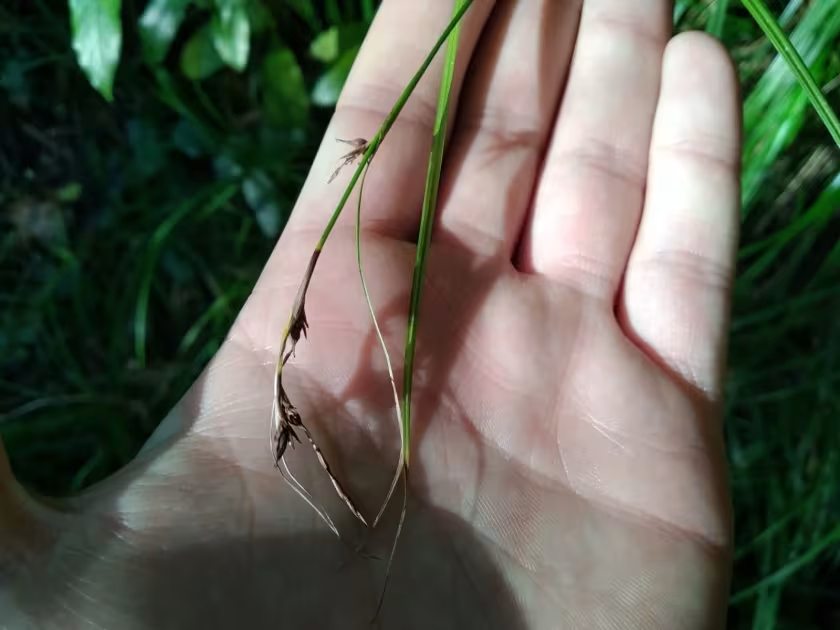
Description
Sowing dates
Schoenoxiphium lehmannii is a perennial species, and sowing is best performed in the spring once soil temperatures are consistently warm. This timing ensures robust root establishment before any potential stress factors emerge.
Seeds should be sown in rows on a well-prepared seedbed. Given their small size, they require shallow placement in the soil to ensure adequate light exposure for germination.
Preparing the ground by removing existing weeds is critical for success. High weed competition during the early growth phase can significantly impede the development of the young grass.
In regions with mild winters, dormant sowing is an option. This method utilizes winter moisture, allowing the seeds to germinate as soon as spring temperatures permit.
The seeding rate varies depending on the intended use, such as pasture improvement or erosion control. Higher rates are generally recommended for establishing dense ground cover.
Growing requirements
This species thrives in moist, well-draining soils. While it shows some tolerance for different soil textures, it performs best in fertile substrates rich in organic matter.
As a member of the Cyperaceae family, Schoenoxiphium lehmannii requires reliable moisture throughout the growing season. It is well-adapted to environments where periodic rainfall is common.
The plant demonstrates good adaptability to sunlight levels but prefers open, sunny conditions for maximum growth. Excessive shade can lead to slower development and reduced biomass.
Climate adaptability is a notable feature, as the species is native to mountainous and sub-mountainous regions. It can withstand typical temperature fluctuations in its natural range.
Good soil aeration is beneficial for the development of its root system. Deep cultivation before sowing helps improve the structural integrity of the soil for long-term growth.
Yield
The biomass yield of Schoenoxiphium lehmannii is influenced by nutrient availability and water management. Proper fertilization practices can significantly boost green matter production.
This grass is primarily utilized as livestock forage. It is valued for its nutritional profile when harvested at the optimal stage of growth, providing a stable source of feed.
Nitrogen fertilization applied at the start of the season and following the first cut encourages vigorous regrowth. This practice helps maintain a high yield across multiple cuts.
The grass maintains productive yield levels for several years when managed correctly. It is a reliable component for long-term forage systems in suitable climates.
Yield metrics are typically measured by dry weight. Careful drying techniques are essential to preserve the nutrient quality of the hay produced from this species.
Main diseases and pests
Common threats to this crop include fungal diseases, particularly those affecting foliage, such as leaf rusts. These are often triggered by prolonged damp conditions.
Insect pests that target foliage or stems can reduce biomass quality. Regular field monitoring is essential for early detection and mitigation of pest outbreaks.
Soil-borne larvae can occasionally damage roots, especially in newly established stands. Preventive soil management is recommended to reduce these risks.
Crop rotation practices help minimize the build-up of specific soil-borne pathogens. Avoiding monocultures for excessive periods is a standard agronomic recommendation.
Integrated pest management, focusing on cultural practices and biological controls, is preferred over chemical interventions to maintain the ecosystem balance.
Harvesting
For high-quality hay production, the harvest must occur before the seedheads fully mature. Harvesting during the late vegetative or early heading phase ensures maximum protein content.
If the goal is seed collection, harvest must be delayed until the seedheads reach physiological maturity. Timely harvesting is crucial to prevent yield loss from seed shattering.
Mechanical harvesting should be set to an appropriate stubble height to encourage rapid regrowth. This practice is vital for maintaining the longevity of the perennial stand.
Post-harvest, the hay should be cured properly to achieve the correct moisture content for storage. This prevents spoilage and maintains the safety of the feed.
Proper storage in well-ventilated structures protects the forage from moisture and mold. This ensures a consistent supply of nutritious feed throughout the winter months.