
Schlegelia parasitica
Schlegelia parasitica
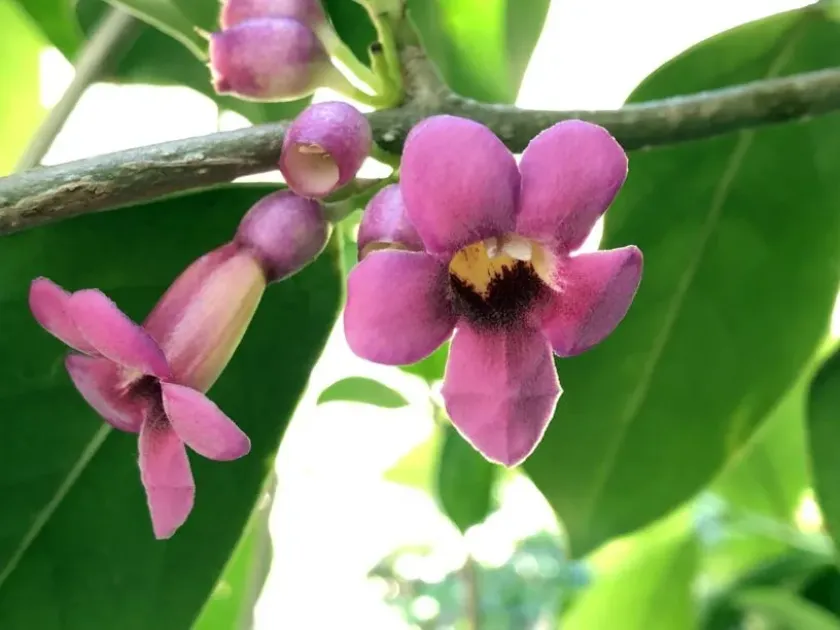
Description
Growing requirements
Schlegelia parasitica is a distinctive epiphytic plant species belonging to the Schlegeliaceae family. In its natural habitat, it thrives as a hemi-epiphyte, utilizing larger trees as structural support while accessing atmospheric moisture and nutrients through specialized adaptations.
The native range of this species covers the tropical regions of Central and South America. It is commonly found in rainforest environments where high humidity levels and warm temperatures remain consistent throughout the year, supporting its specialized lifestyle.
Botanically, the plant is characterized by its ability to adhere to substrates with aerial roots, and its foliage is often thick and waxy to retain moisture. The architecture of the plant is designed to optimize water absorption in a canopy ecosystem.
Cultivation requirements for Schlegelia parasitica are strict, as the plant demands a specialized medium, typically composed of bark, sphagnum moss, and charcoal. Adequate air circulation is crucial to prevent the development of root rot and other moisture-related issues.
The primary use for this species is within specialized horticultural collections and botanical research. It serves as an excellent example of tropical epiphytic evolution and is often showcased in high-end greenhouse conservatories focused on exotic biodiversity.
Main diseases and pests
The most common biological threats to Schlegelia parasitica include spider mites and scale insects. These pests are particularly prevalent when the plant is kept in indoor environments where natural predators are absent and air circulation is insufficient.
Fungal pathogens and root rot are significant concerns when the irrigation schedule is not balanced. Maintaining a substrate that allows for rapid drainage is essential to protect the delicate root structures from anaerobic conditions and potential decay.