
Schizostylis coccinea
Schizostylis coccinea
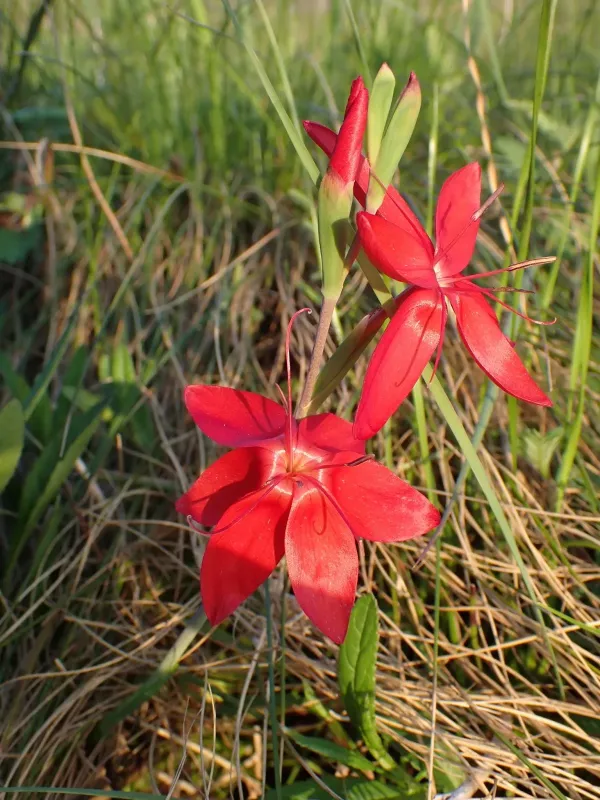
Description
Sowing dates
Schizostylis coccinea, a member of the Iridaceae family, is typically propagated through division of its rhizomatous roots. The best time for this process is in the spring as the plant emerges from its winter dormancy.
Seed propagation is also possible, though it is less common due to the long stratification period required for germination. Seeds are sown in a controlled environment to ensure consistent temperatures for successful sprouting.
When planting divisions, they should be spaced approximately 20 centimeters apart to allow sufficient room for the plant to spread. This density helps create full and healthy clumps that bloom profusely in the autumn.
A fertile, well-draining soil mix is ideal for successful establishment. It is important to plant the rhizomes at the correct depth to avoid rot and ensure that the shoots can easily penetrate the surface.
Following the planting process, thorough watering is essential to eliminate air pockets in the soil and to encourage the immediate development of new feeder roots within the growing medium.
Growing requirements
Native to South Africa, Schizostylis coccinea thrives in bright, sunny locations. It requires plenty of sunlight to promote the development of its vibrant red, star-shaped blossoms during the later part of the season.
The soil should be moisture-retentive but must have excellent drainage. Waterlogged soil, especially in cooler climates, can quickly lead to root decay and the death of the plant during the winter months.
A neutral to slightly acidic pH level is preferred for optimal growth. Incorporating organic matter, such as compost or well-rotted manure, helps maintain soil fertility and moisture levels throughout the growing season.
In colder regions, winter protection is necessary to prevent the ground from freezing too deeply. Applying a layer of mulch or protective fabric over the rhizome area can effectively buffer against harsh temperature drops.
Consistent watering during the active growth phase is critical for the plant’s health. While the plant loves moisture, care must be taken to ensure the area does not become swampy, which invites diseases.
Main diseases and pests
Slugs and snails are the most prominent pests, particularly during wet weather. These pests feed on the foliage and flower buds, so monitoring and using organic deterrents is recommended to minimize damage.
Aphids can occasionally infest the plant during hot, dry spells, weakening the shoots. Prompt application of insecticidal soap or other systemic treatments can quickly manage these populations before they impact the bloom.
Root rot is a major threat caused primarily by poor drainage or overwatering. Maintaining a well-aerated soil environment is the best preventive measure against fungal pathogens that target the root system.
Leaf spot diseases can also occur in high-humidity conditions, leading to aesthetic damage. Using appropriate fungicides and ensuring good air circulation around the plants can effectively limit these occurrences.
Overall, a healthy Schizostylis coccinea is quite resilient. By providing the right balance of sunlight, moisture, and soil conditions, the plant can successfully resist most minor infections and pest attacks throughout the year.