
Schizomeria ovata
Schizomeria ovata
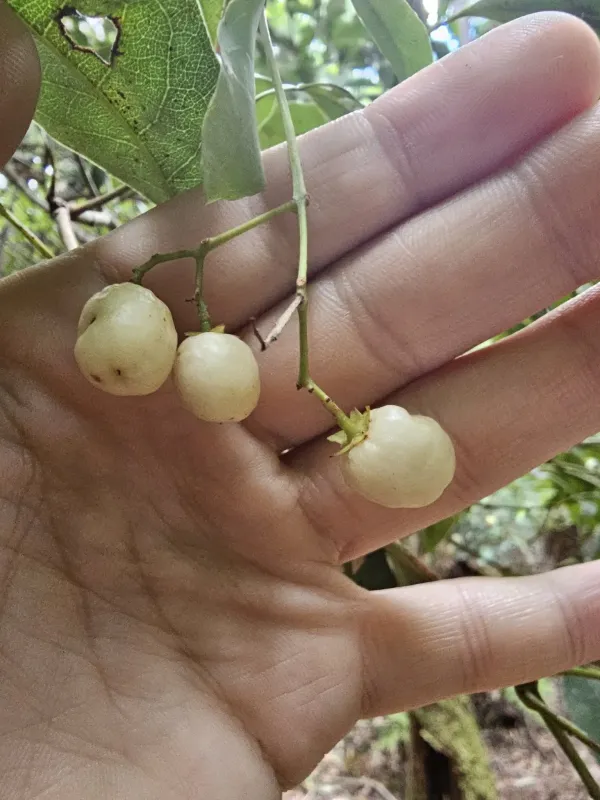
Description
Growing requirements
Schizomeria ovata is a notable tree species belonging to the Cunoniaceae family. It is native to the rainforest regions of Australia, where it thrives as a prominent component of the canopy, showcasing a robust and evergreen habit.
The cultivation of this species requires a tropical to subtropical climate with consistent moisture levels. It is sensitive to extreme temperature drops and performs best in environments where humidity remains high throughout the year.
Soil requirements are relatively specific; the tree prefers deep, fertile, and well-drained soils. While it can adapt to various conditions, waterlogged soils must be avoided to prevent root system degradation and disease development.
Botanically, Schizomeria ovata is recognized for its ovate leaves with serrated margins and its small, white flowers that grow in paniculate inflorescences. The fruit produced is a small, succulent drupe that serves as a food source for local fauna.
In terms of usage, the species is primarily managed for its timber, often referred to as crab apple wood. This timber is highly valued in local industries for its light color, fine grain, and ease of processing in carpentry and joinery projects.
Yield
The yield of timber in Schizomeria ovata plantations is determined by spacing and site-specific conditions. Optimal thinning practices encourage the growth of clear, cylindrical stems, which are essential for high-quality wood production.
Growth rates are considered moderate, requiring a long-term commitment to silviculture. However, the resulting wood quality justifies the investment period, as it provides a stable supply for high-end interior woodworks.
Sustainable yield is achieved through strategic reforestation and selective harvesting techniques. This approach ensures that the ecosystem remains productive while maintaining the natural biodiversity of the area.
Productivity can be significantly enhanced through balanced fertilization programs during the initial establishment phase, ensuring that the young trees develop strong cellular structures for future development.
Beyond primary timber production, the trees contribute to the overall biomass of the forest, playing a role in carbon sequestration and environmental stability within their native habitat.
Main diseases and pests
Pathogenic fungi represent the primary threat to Schizomeria ovata, particularly in damp forest conditions where airflow is restricted. Implementing proper spacing protocols is the most effective way to prevent the spread of fungal spores.
Pest threats include various wood-boring insects and leaf-eating beetles that can stunt development during the tree's formative years. Regular monitoring and early identification are essential for minimizing damage to young plantations.
Soil nutrient depletion can reduce the tree's natural resistance to pests and diseases. Agricultural management must include regular soil testing and the application of amendments to maintain optimal vigor.
Invasive plant species can outcompete saplings for light and nutrients. Therefore, consistent weed control in the plantation zone is necessary to ensure the survival and steady growth of Schizomeria ovata.
Modern integrated pest management strategies are encouraged to protect the plantations while maintaining ecological balance. These strategies prioritize sustainable practices over heavy chemical reliance.