
Sceletium tortuosum
Sceletium tortuosum (L.) N. E. Br.
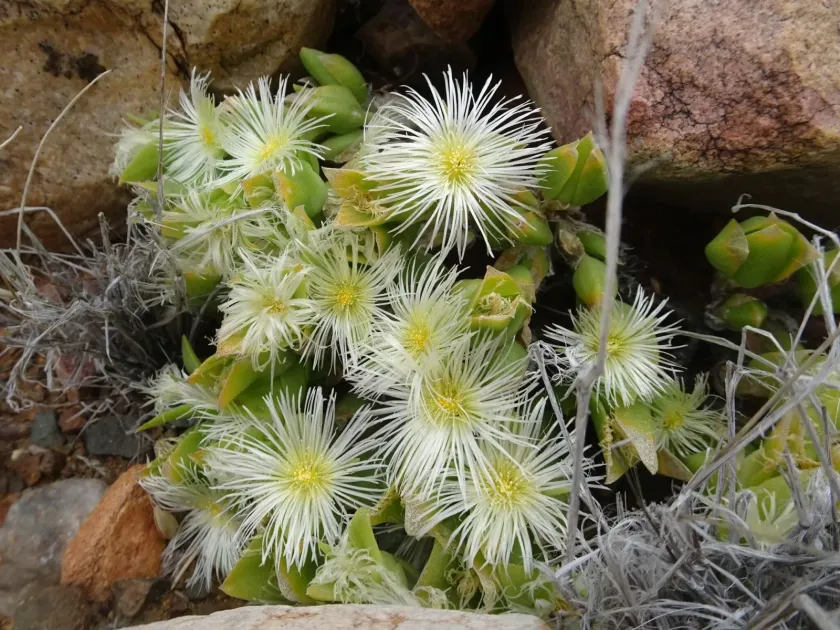
Description
Growing requirements
Sceletium tortuosum, commonly known as Kanna, is a succulent plant belonging to the Aizoaceae family. Native to the arid regions of South Africa, it is highly adapted to environments with limited water availability and intense solar radiation.
Cultivation requires a well-draining, sandy-loam substrate. Standard potting mixes for cacti and succulents, often amended with perlite or pumice, provide the ideal environment to prevent root rot and ensure proper oxygenation of the root zone.
The plant thrives in warm, sunny conditions and is intolerant of frost. In cooler climates, it must be grown in greenhouses or as an indoor plant, where it can receive maximum light exposure throughout the day to support its succulent growth.
Watering frequency should be minimal, strictly allowing the substrate to dry out completely between sessions. During the dormant winter season, water intake should be reduced to an absolute minimum to prevent physiological stress or rot.
Fertilization should be handled with caution. A diluted, low-nitrogen liquid fertilizer applied sparingly during the peak growing season is sufficient. Over-fertilization leads to excessive, weak growth that makes the plant prone to structural damage and disease.
Main diseases and pests
Root rot is the most significant threat to Sceletium tortuosum in cultivation. It is almost exclusively caused by overwatering or poor soil drainage, which encourages the growth of Pythium or Phytophthora fungi in the rhizosphere.
Mealybugs are the primary insect pests affecting the plant. These pests cluster in the crevices between leaves and stems, requiring systematic inspection and the application of horticultural oils or approved insecticides for control.
Spider mites can become problematic if the ambient air is excessively dry and lacks airflow. Maintaining a stable environment with moderate ventilation helps to discourage mite infestations and improves overall plant vigor.
Fungal leaf spots can occur when humidity levels remain too high for extended periods, especially in greenhouses with poor air circulation. Improving airflow and ensuring the foliage remains dry are the primary methods to mitigate these risks.
Aphids may occasionally target new, tender growth. While they are usually not fatal, heavy infestations can lead to stunted growth and the transmission of plant viruses, which necessitates proactive monitoring and immediate pest management intervention.
Harvesting
Harvesting Sceletium tortuosum involves collecting the aerial parts, specifically the leaves and stems. Maturity is usually achieved within 12 to 24 months, depending on the growing conditions and the specific environmental inputs.
Manual harvesting is the preferred method, using sharp, sterilized knives to avoid damaging the crown of the plant. This approach ensures that the plant can continue to produce new growth for future harvesting cycles.
The harvested material must undergo a fermentation process to develop its distinct chemical properties. The plant material is typically crushed and stored in a controlled environment to initiate biochemical breakdown and transformation.
Drying follows the fermentation phase. The material is spread in a dark, well-ventilated area to reduce its moisture content. Slow, consistent drying is crucial to ensure the final product retains its integrity and chemical profile.
Storage is the final step in the agronomic process. The dried product is stored in opaque, airtight containers away from moisture and direct heat. Proper storage preserves the active alkaloids and ensures a shelf-stable final product for its intended use.