
Satranala
Satranala decussilvae
Description
Growing requirements
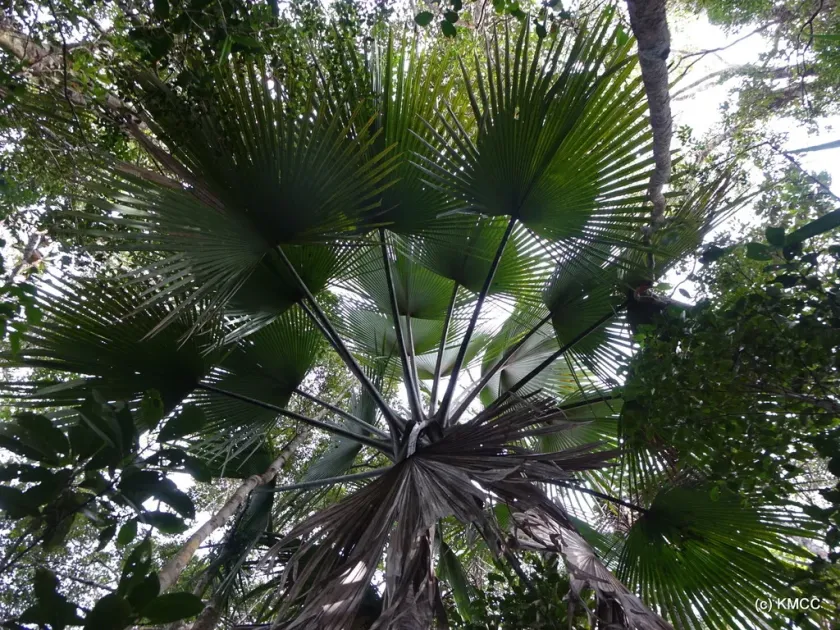
Satranala (Satranala decussilvae) is a rare genus of palm belonging to the Arecaceae family, endemic to the rainforests of Madagascar. The plant has evolved to thrive in the specific conditions of humid tropical forests, where high atmospheric moisture and consistent temperatures are essential for its biological processes.
In its natural habitat, the palm prefers well-drained soils rich in organic matter. For agricultural or conservation purposes, it requires a growing medium that mimics the natural forest floor, ensuring a steady supply of nutrients necessary for healthy development throughout the plant's life cycle.
The culture has strict requirements regarding light exposure; young specimens are susceptible to damage from direct sunlight, necessitating the use of shading techniques in nursery settings. Mature palms are more resilient but still show optimal performance under diffused light, reflecting the natural canopy environment.
Climate conditions for Satranala decussilvae must remain within the range of +22°C to +28°C throughout the year. As a strictly tropical species, it lacks frost tolerance and ceases growth when temperatures drop below +15°C, restricting its cultivation range to tropical and equatorial latitudes.
The primary horticultural interest in this species lies in its potential for ornamental gardening and botanical preservation. Its unique morphological characteristics, including distinctive frond structures and aesthetic stem development, make it a prized specimen for collectors and specialized tropical landscaping projects.