
Satakentia
Satakentia liukiuensis
Description
Growing requirements
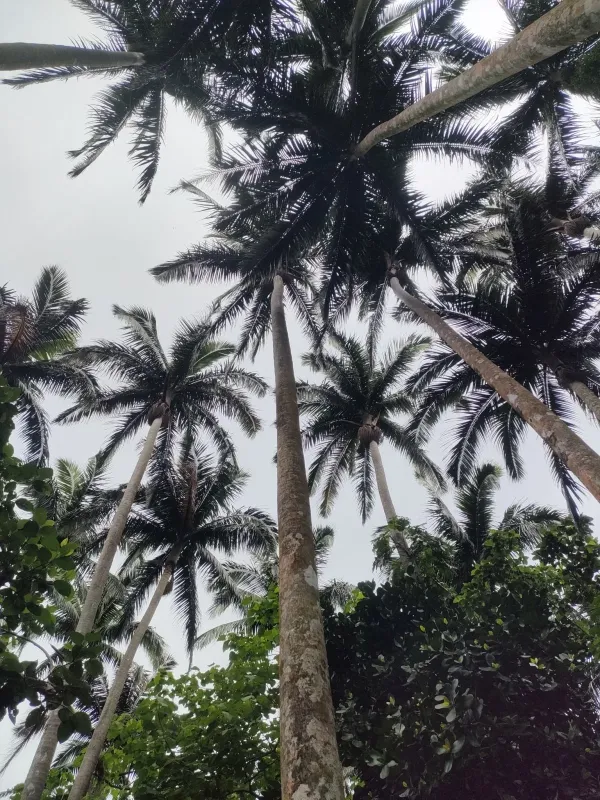
Satakentia liukiuensis is a unique species of palm tree belonging to the Arecaceae family, endemic to the Ishigaki and Iriomote islands of Japan. In cultivation, this species is highly prized as an elegant ornamental plant for landscaping in tropical and subtropical regions.
The plant features a single, slender trunk that can reach a height of up to 15 meters, marked by distinct rings where old leaves have shed. Its leaves are pinnate, large, and dark green, forming a lush, graceful crown that provides a majestic appearance in gardens.
For successful development, the crop requires a warm, humid climate without significant frost. The optimal temperature range is between 20 and 30 degrees Celsius, as this species is extremely sensitive to cold conditions and chilling temperatures.
The soil for cultivation must be fertile, well-drained, and possess a neutral to slightly acidic pH. Satakentia does not tolerate waterlogging in the root zone, making proper drainage systems a critical factor for successful planting and long-term health.
Agrotechnical practices involve providing regular irrigation during dry periods and ensuring protection against strong winds, which can easily damage the large fronds. While young plants prefer partial shade, mature specimens can thrive in full sun once they are established.