
Sarcopyramis napalensis
Sarcopyramis napalensis
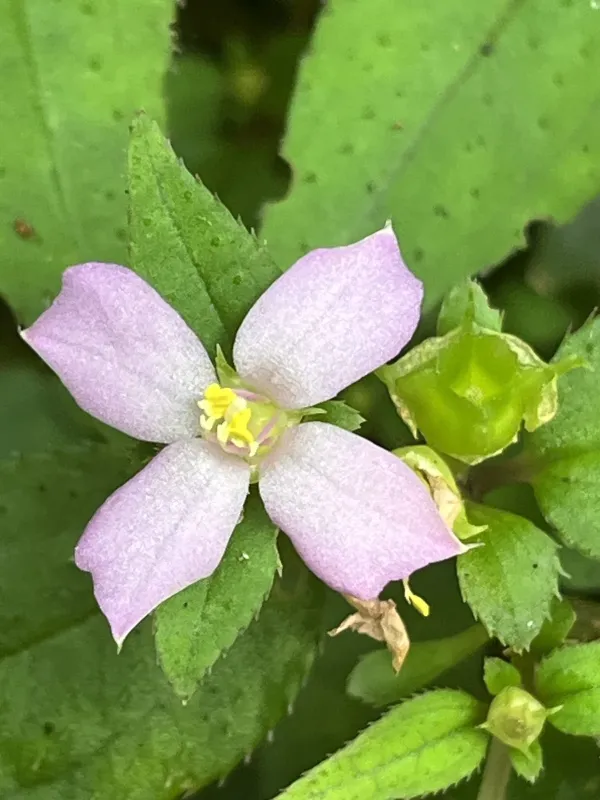
Description
Growing requirements
Sarcopyramis napalensis is a herbaceous plant belonging to the Melastomataceae family. It is native to the temperate and subtropical regions of the Himalayas and Southeast Asia, where it thrives in shaded, moist forest environments.
The cultivation of this species requires a substrate that is rich in organic matter and well-drained. Given its natural habitat, it prefers soil that mimics forest litter, characterized by a slightly acidic to neutral pH balance.
Climate requirements for Sarcopyramis napalensis are quite specific, needing consistent high humidity and moderate temperatures. The plant should be kept away from direct sunlight, as it is prone to leaf scorch, preferring dappled light or semi-shaded conditions instead.
Agricultural management involves careful irrigation, ensuring the growing medium remains moist but never waterlogged. Because of its delicate nature, it is often grown in greenhouses or botanical collections where environmental factors can be strictly controlled.
In terms of usage, the plant has been traditionally valued in ethnobotanical practices for its various therapeutic properties. Modern agronomists view it as a niche crop with potential applications in natural medicinal ingredient sourcing.
Main diseases and pests
The most significant threat to Sarcopyramis napalensis is fungal infection, particularly root rot, which typically develops in poorly drained soil. Maintaining appropriate moisture levels is vital to avoiding these soil-borne pathogens.
Insect pests, such as spider mites, pose a major risk when the ambient humidity is insufficient. These pests can rapidly infest the foliage, causing significant damage if not addressed through early detection and management.
Foliar diseases, including various leaf spots, are common in environments with stagnant air and high humidity. Improving air circulation around the plants is an essential strategy for maintaining plant health and vigor.
Biological control agents are generally preferred over synthetic pesticides due to the plant's delicate tissues. Preventive measures like regular inspection of the undersides of leaves are crucial for early identification of pest outbreaks.
Proper hygiene during all stages of growth—from propagation to maturity—is the best defense against pests and diseases. Ensuring clean water sources and sterilized tools prevents the introduction of harmful organisms to the crop.