
Lemperg's Soapwort
Saponaria lempergii
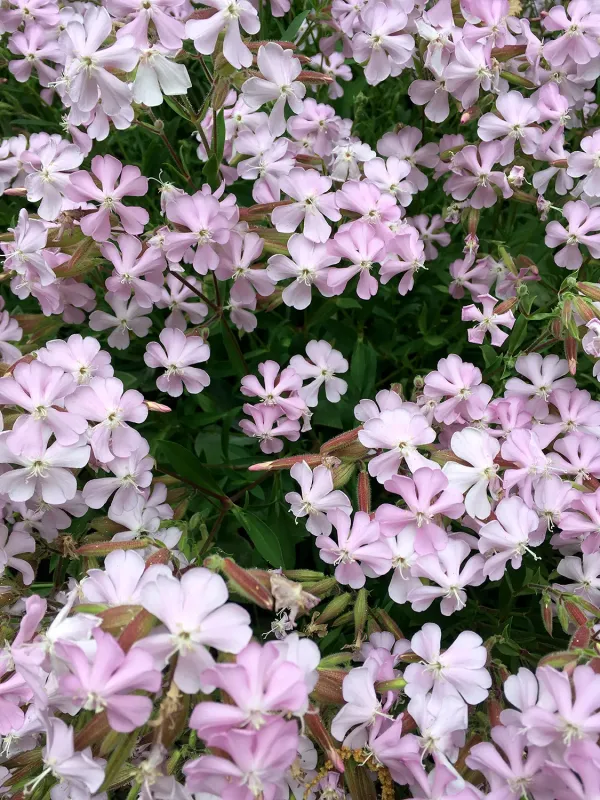
Description
Sowing dates
Sowing Lemperg's Soapwort seeds is best performed in late autumn for winter stratification or early spring. Seeds require minimal covering as they need light to trigger germination, making shallow placement essential for success.
For container-grown starts, seeds should be sown in late winter, roughly February, in a cool environment. A period of cold exposure is often necessary to break dormancy, ensuring a higher percentage of healthy, uniform seedlings.
Seedlings should be pricked out when the first set of true leaves develops. Transplanting into the garden beds is recommended only after the risk of hard frost has passed, ensuring plants are hardened off properly before moving outside.
Vegetative propagation by division is an effective alternative to seeding, especially for mature specimens. This process is best conducted in late summer, allowing the root systems to establish before the onset of winter dormancy.
Maintaining a balanced moisture level during the germination phase is critical. Too much water at the seedling stage encourages damping-off disease, which can rapidly destroy a large portion of the young crop.
Growing requirements
Lemperg's Soapwort is a hardy perennial belonging to the Caryophyllaceae family. It is naturally adapted to rugged, rocky terrain, which dictates its primary soil requirement: excellent drainage is non-negotiable for its health.
The plant thrives in full sun exposure. In terms of soil composition, it prefers neutral to alkaline conditions with a high mineral content. It does not require high levels of organic fertilizer and actually performs better in leaner soils.
Watering should be measured; while the plant can withstand periods of drought, consistent moisture during the blooming phase improves the density of the flowers. Avoid overhead watering to reduce the risk of foliage disease.
Climate tolerance for this species is quite high. It is well-suited for temperate regions, handling temperature drops efficiently without needing any specific winter protection or mulching layers in most environments.
Maintenance involves routine deadheading to promote secondary flowering cycles throughout the season. Pruning the plant back in late autumn helps in tidy wintering and ensures vigorous growth during the subsequent spring season.
Main diseases and pests
Powdery mildew represents the most frequent fungal threat to Lemperg's Soapwort. It typically thrives during warm, humid weather, especially when there is insufficient airflow between individual plants in the garden.
Root rot is a major agronomic concern primarily caused by poorly drained soil or excessive overwatering. Once established, this rot can kill the plant quickly, making preventative site selection the most important defense.
Pests such as spider mites and aphids are known to feed on the tender shoots and leaves. Regular scouting is recommended, as these pests reproduce rapidly and can weaken the plant's structural integrity if left unchecked.
Invasive nematodes can infest the rhizosphere, leading to stunted growth and nutrient deficiencies. To mitigate these threats, it is crucial to avoid planting in areas where susceptible host crops were grown recently.
Integrated pest management strategies are advised, focusing on physical removal of diseased parts and the use of targeted biological controls. Minimizing unnecessary irrigation helps maintain a dry surface, which naturally discourages most fungal pathogens.