
Soapberry
Sapindus saponaria L.
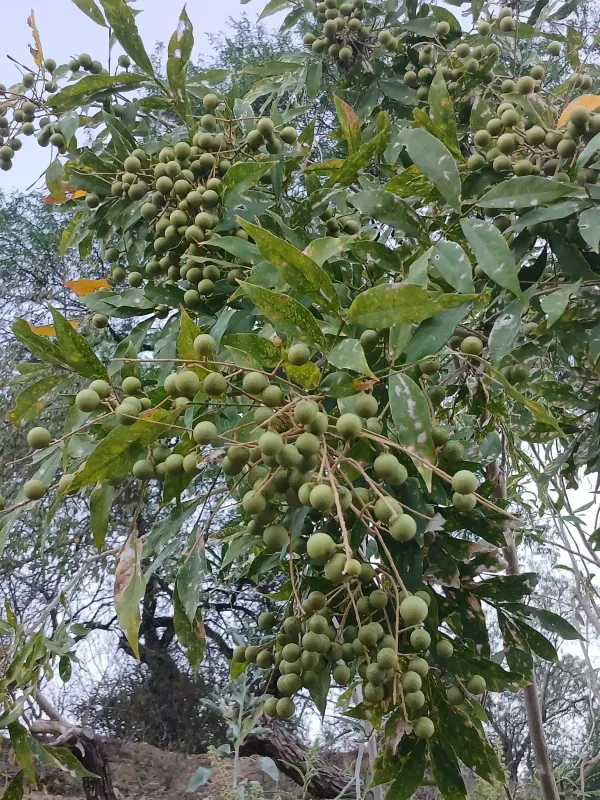
Description
Sowing dates
Propagation of Sapindus saponaria is typically achieved through seeds or stem cuttings. Seed coat dormancy must be broken by scarification to ensure uniform germination rates.
Sowing should take place in spring when soil temperatures reach approximately 20-25 degrees Celsius. Seeds should be planted in well-draining, nutrient-rich potting media.
Seedlings require a protected environment for the first year. Consistent moisture and filtered sunlight are essential to promote vigorous root development before transplantation.
Spacing for orchard establishment is critical; trees should be spaced 5 to 7 meters apart to accommodate their large, spreading canopy at maturity.
Vegetative propagation via cuttings taken from productive trees ensures the genetic consistency of the soap nut characteristics, such as saponin concentration.
Growing requirements
Soapberry is a member of the Sapindaceae family. It is a hardy, long-lived tree native to tropical and subtropical regions of the Americas.
The tree thrives in full sunlight, which is necessary for optimal fruit production. It requires deep, well-draining soil with a pH ranging from 6.0 to 7.5.
While mature trees are somewhat drought-tolerant, young specimens require regular irrigation to establish a deep, robust root system in their initial years.
The climate must be frost-free, as young trees are highly susceptible to cold damage. In temperate regions, they must be cultivated in greenhouses or winter gardens.
Adequate ventilation and low humidity are crucial in regions where heavy rainfall occurs, as prolonged leaf wetness can encourage fungal pathogen outbreaks.
Yield
Trees typically reach the fruit-bearing age between 7 and 10 years after planting. They remain productive for many decades under favorable management practices.
The primary yield consists of berries containing high levels of saponins. A mature, healthy tree can produce between 25 and 60 kilograms of dried fruit per harvest cycle.
Yield quality is determined by the percentage of natural saponins, which are utilized as bio-surfactants in laundry and personal care industries.
Selective pruning of the canopy is recommended to ensure light penetration, which directly correlates with higher fruit yields per branch.
Harvested fruits are highly stable if processed correctly, allowing for long-term storage and easier transportation to processing facilities.
Main diseases and pests
Soapberry trees have natural resistance to many pests due to the high saponin content in their tissues, which acts as a deterrent against certain insects.
However, mealybugs and scale insects may infest branches, particularly if the tree is under stress or grown in poor conditions. Manual cleaning or organic oils are common controls.
Root rot, caused by various soil-borne fungi, remains a significant threat if the soil remains waterlogged or lacks proper aeration.
Leaf spot diseases can occur during prolonged periods of high humidity. Preventive measures include maintaining airflow through the crown via regular pruning.
Nutrient deficiencies, particularly chlorosis caused by poor iron availability, should be addressed by adjusting soil pH or applying chelated fertilizer supplements.
Harvesting
The harvest season typically occurs in the autumn. Fruits are gathered when they reach full maturity, turning a characteristic brown and becoming slightly sticky.
Post-harvest, fruits must be sun-dried or machine-dried immediately to reduce moisture content and prevent the onset of mold or fermentation.
Once dried, the fruits are sorted and the hard, black seeds are extracted. The husks (the pericarp) contain the active saponins and are the main commodity.
For large-scale operations, mechanical shakers are used to detach fruits from the branches, followed by ground collection on tarps to prevent contamination.
Finished soap nuts should be packaged in breathable bags and stored in cool, dry conditions to preserve their efficacy and shelf life for future use.