
Salsola aphylla
Salsola aphylla
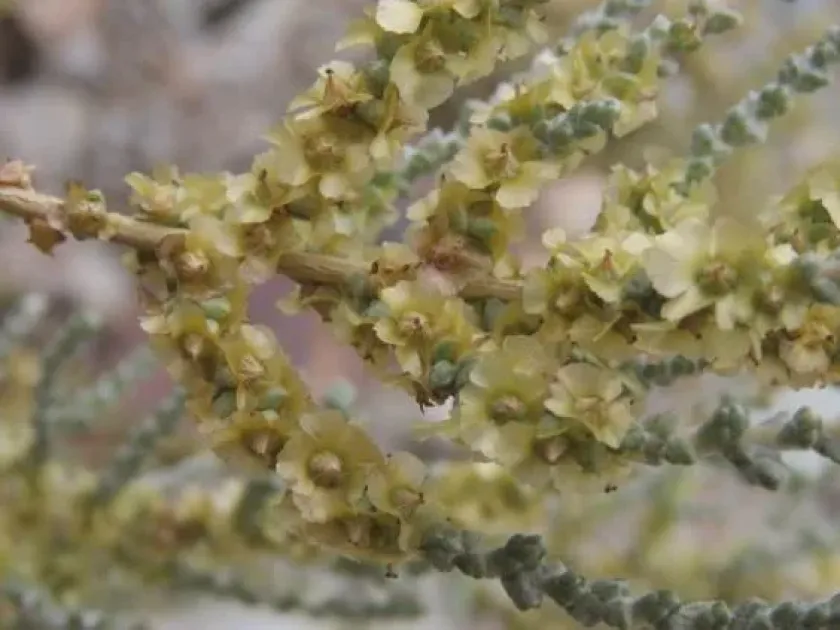
Description
Growing requirements
Salsola aphylla belongs to the Amaranthaceae family and is a highly specialized halophytic plant. It is evolutionary adapted to survive in extreme conditions such as high soil salinity and prolonged water scarcity, making it a critical crop for arid zone agriculture and desert development.
This species exhibits extraordinary tolerance to intense heat and extended periods of drought. It thrives in environments where standard forage crops fail due to chemical soil constraints or a lack of precipitation, serving as a reliable biological resource for harsh climates.
Optimal growth requires high solar exposure, as the plant is heliophilic. Shading is detrimental to its development and reduces biomass accumulation, so it is best cultivated in open, unobstructed areas with maximum sunlight penetration throughout the day.
Salsola aphylla prefers saline soils, specifically solonchaks and solonetz, characterized by high concentrations of sodium, chlorides, and sulfates. It acts as an effective bio-remediator, stabilizing soil structures and mitigating wind erosion in vulnerable desert ecosystems.
The agricultural value of this plant is primarily rooted in its role as high-quality forage for camels, sheep, and goats. It remains nutritious throughout the year, especially in autumn and winter when seasonal grasses lose their protein and mineral content.
Yield
The yield of Salsola aphylla is significantly influenced by annual moisture levels and the specific chemical composition of the soil. On average, it can produce substantial biomass, providing essential grazing resources in areas that otherwise offer little biological productivity.
Productivity can be enhanced through minimal agronomic intervention, such as precision sowing on degraded patches. By ensuring favorable conditions for initial seedling emergence, farmers can significantly increase plant density and overall output of the pasture area.
The plant maintains stable yields due to its succulent tissues, which allow for water storage during moisture-stressed periods. This resilience minimizes the risks associated with climatic fluctuations, ensuring a consistent food supply for pastoralist livestock systems.
Sustainable grazing management is essential for long-term yields. Overgrazing can deplete the plant reserves and damage the root system; therefore, implementing rotational grazing schemes is recommended to maintain the vigor and reproductive capacity of the stands.
Beyond quantity, the quality of the forage is a key yield indicator. The high mineral content of the plant contributes to better livestock health, effectively acting as a natural mineral supplement for animals grazing in saline desert environments.
Main diseases and pests
Salsola aphylla demonstrates remarkable resistance to common plant diseases. The high salt concentration within its cellular sap acts as a natural deterrent against many pathogenic fungi and bacteria that typically afflict agricultural crops.
The primary threat to the crop during the early establishment phase is mechanical damage from livestock trampling. Protecting newly established stands from overgrazing is vital during the first few weeks of growth until the root system has sufficiently anchored the plant.
Specific insect pests that target generative organs, such as flower heads and seeds, may occasionally cause damage. While this rarely affects the overall health of the vegetative population, it can be a concern for seed production enterprises.
Weed competition is only a transient issue during the initial growth stages. Once the plant is established, its superior competitive ability in highly saline environments allows it to outcompete most common weeds, establishing itself as the dominant species in the area.
Environmental threats include poor drainage leading to waterlogged conditions. Despite its salt tolerance, the plant is sensitive to prolonged root saturation, which may lead to root rot. Careful site selection and micro-topography assessment are necessary for successful cultivation.