
Salicornia quinqueflora
Salicornia quinqueflora
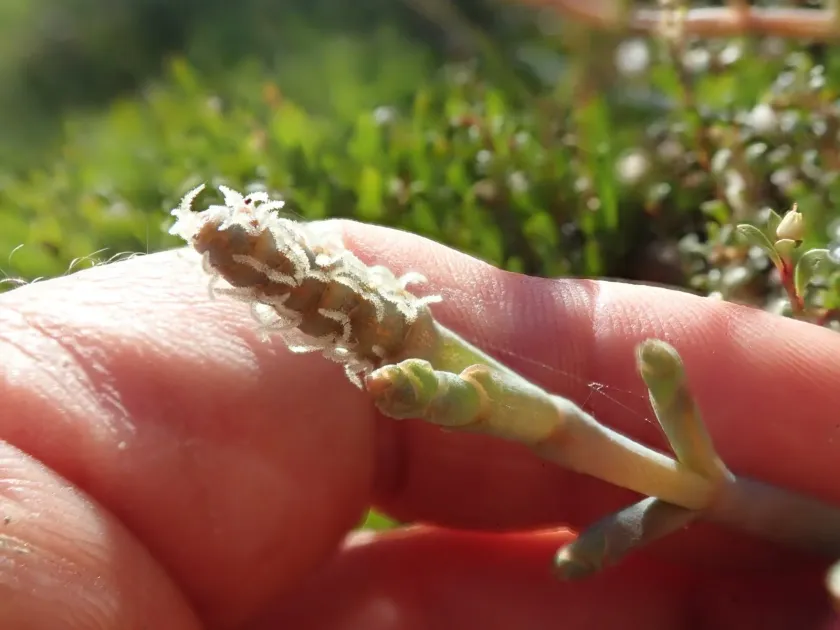
Description
Sowing dates
Salicornia quinqueflora is a member of the Amaranthaceae family, known for its extreme salt tolerance. This annual succulent herb is gaining attention as a potential crop for highly saline environments.
The optimal sowing time occurs in late spring when soil temperatures consistently reach 10-12°C, ensuring rapid germination of the small seeds.
Precision seeding is necessary due to the minute size of the seeds. They should be sown at a very shallow depth, barely covering them with a thin layer of soil.
Row spacing is typically set between 20-30 cm to allow for adequate airflow and plant expansion during the peak of the growing season.
Proper moisture management during the germination phase is critical, even though the plant is adapted to saline conditions once established.
Growing requirements
The primary requirement for successful cultivation is soil salinity. Salicornia quinqueflora thrives in conditions where standard crops would perish due to osmotic stress.
Full sun exposure is vital for this plant. It requires high light intensity to maximize photosynthesis and oil accumulation within the seeds.
While adapted to saline environments, the plant still needs adequate moisture, often provided through irrigation with brackish or saline water.
The soil should have good structure, but the plant is highly adaptable to various pH levels as long as salt concentrations are high enough for its metabolic needs.
Fertilization should be handled with care, as excessive nitrogen may lead to vegetative growth at the expense of oil yield in the final harvest.
Yield
The plant is primarily cultivated for its oil-rich seeds, which can be processed into edible oil, biodiesel, or specialized lubricants.
The green biomass is rich in minerals and can be used as a fodder supplement, provided the salt content is managed through drying or specific dietary formulations.
Yield potentials for biomass can reach high values per hectare under optimal saline irrigation systems, making it a viable option for marginalized agricultural lands.
Research is ongoing into the cosmetic and pharmaceutical applications of Salicornia extracts, which are prized for their unique mineral composition.
As a sustainable crop, it allows for the productive use of land that is otherwise unsuitable for conventional agriculture, reducing pressure on freshwater resources.
Main diseases and pests
Pests affecting this crop are usually specialized insects that have evolved to feed on succulent halophytes, often requiring manual or biological control.
Fungal infections, particularly root rot, can occur if the field has poor drainage and remains waterlogged for extended periods.
Effective weed control is rarely necessary, as the high salinity of the soil naturally excludes most invasive weed species, giving the crop a competitive advantage.
Environmental stress, such as extreme heat spikes, can accelerate the maturation process, potentially reducing the total seed yield.
Disease management is best handled through preventative measures and ensuring that seed stock is healthy before planting.
Harvesting
Harvesting for seed production is best performed when the plants have turned reddish-brown and the moisture content in the seeds is low.
Mechanical harvesting requires specialized equipment settings to handle the small seeds and to mitigate the corrosive effects of salt on machine parts.
Post-harvest processing includes thorough drying to ensure the seed moisture drops below 10%, which is crucial for safe long-term storage.
If harvesting for green biomass, timing the cut before the plant turns woody is essential to maintain higher nutritional quality for feed use.
Regular maintenance of harvest machinery is mandatory, including washing off salt deposits after field operations to prevent premature rusting.