
Sagina japonica
Sagina japonica
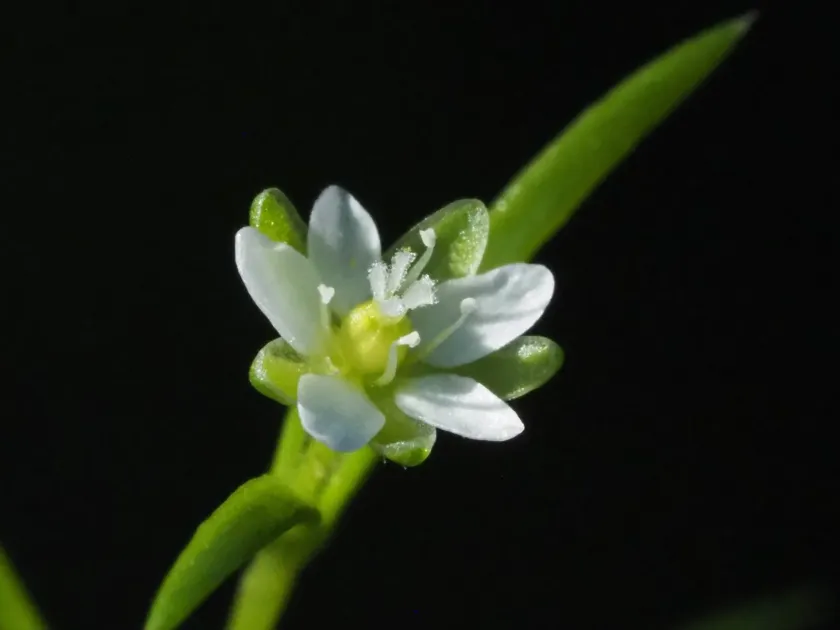
Description
Sowing dates
Sagina japonica, commonly known as Japanese pearlwort, belongs to the Caryophyllaceae family. It is a perennial herbaceous plant valued for its moss-like appearance.
Propagation is primarily achieved through seeds sown in early spring. The seeds are minute and require surface sowing to receive sufficient light for germination.
When sowing, ensure the soil surface is finely textured and moist. Covering the seeds with a very thin layer of substrate is acceptable, but they should never be deeply buried.
Vegetative propagation via clump division is also common for creating a dense groundcover more quickly. Divisions should be spaced consistently to allow for uniform growth.
Optimum germination temperature is around 20 degrees Celsius. Seedlings require careful attention to moisture levels until they have established a robust root system.
Growing requirements
The plant thrives in well-drained, fertile soil. It performs best in substrates that retain some moisture but avoid the risk of waterlogging, which is detrimental to the roots.
While tolerant of partial shade, Sagina japonica prefers full sun to light shade to maintain its dense growth habit and avoid etiolation of the stems.
Regular watering is essential, especially during periods of low rainfall. The plant does not tolerate prolonged drought, which causes the foliage to brown and die back.
Basic maintenance includes consistent weed control. Because the plant is relatively low-growing, competition from more aggressive weeds can severely inhibit its development.
Occasional application of a balanced, low-nitrogen fertilizer helps maintain a lush green appearance without encouraging excessive, soft growth that is susceptible to disease.
Main diseases and pests
The most significant threats to Sagina japonica are fungal diseases, particularly root rots and damping-off, induced by stagnant moisture and poor air circulation.
Effective management includes providing adequate drainage and avoiding overhead irrigation during humid weather, which keeps the foliage dry and healthy.
Pest issues are often limited to slugs and snails, which can significantly damage the succulent foliage, particularly in damp or shaded environments.
Cultural control methods, such as removing debris and creating unfavorable conditions for pests, are the first line of defense for a healthy pearlwort carpet.
If infestations occur, targeted baiting or perimeter protection can help mitigate damage and preserve the integrity of the groundcover planting.