
Rytigynia umbellulata
Rytigynia umbellulata
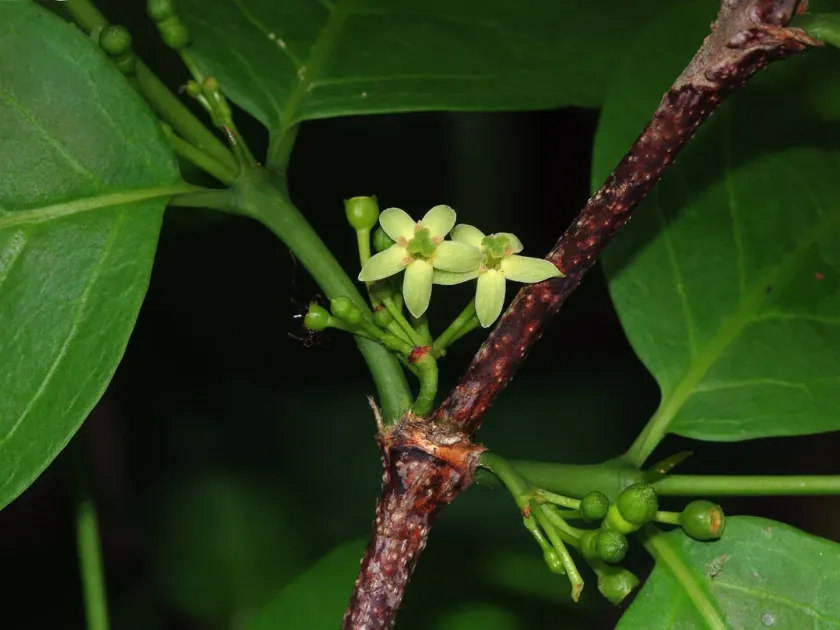
Description
Growing requirements
Rytigynia umbellulata is a botanical member of the Rubiaceae family, primarily distributed in tropical regions. This plant thrives as an understory species, adapted to high humidity, consistent temperatures, and diffuse light conditions typical of dense tropical forests.
Cultivation requires well-draining, nutrient-rich soil that mimics the organic-heavy forest floor. Ideal substrates should be loose and friable to prevent waterlogging, which is a major physiological stressor for this species. Consistent moisture levels are vital for root health.
The climate requirements emphasize a stable temperature range, avoiding cold stress or excessive heat spikes. Protecting the plant from direct, harsh solar radiation is necessary to maintain leaf integrity and prevent chlorosis, especially in young or nursery-grown specimens.
Agrotechnical management includes controlled irrigation systems that maintain ambient humidity levels. In commercial or controlled settings, the use of mulch can help stabilize soil temperature and preserve moisture, reducing the frequency of required watering cycles.
Botanically, the plant is characterized by its umbrella-like inflorescences and opposite leaves with prominent venation. These structures are evolutionary adaptations designed to maximize light capture in light-limited environments, making it a unique study in plant morphology.
Main diseases and pests
Major threats to Rytigynia umbellulata include fungal pathogens such as leaf spot and root rot, often triggered by poor aeration. Maintaining a clean cultivation environment and ensuring proper spacing between plants is essential to mitigate these high-risk disease pathways.
Common pests include spider mites and scale insects, which can quickly colonize the foliage in dry or poorly ventilated conditions. Monitoring the underside of leaves is a critical step in integrated pest management for this specific crop.
Chemical control should be used as a last resort, favoring environmentally friendly horticultural oils or soaps for mild infestations. Early detection of pest populations allows for more precise application of treatments and minimizes the potential for systemic plant damage.
Good agricultural practices, such as routine pruning and the removal of plant debris, significantly lower the inoculum pressure of various soil-borne diseases. Ensuring that irrigation water does not stay on the leaves for extended periods reduces the risk of foliar pathogens.
Long-term plant health depends on monitoring soil nutrient levels and pH balance. Deficiencies can weaken the plant's natural defense mechanisms, making it more susceptible to opportunistic pest attacks and environmental stressors throughout the growing season.