
Ruthalicia eglandulosa
Ruthalicia eglandulosa
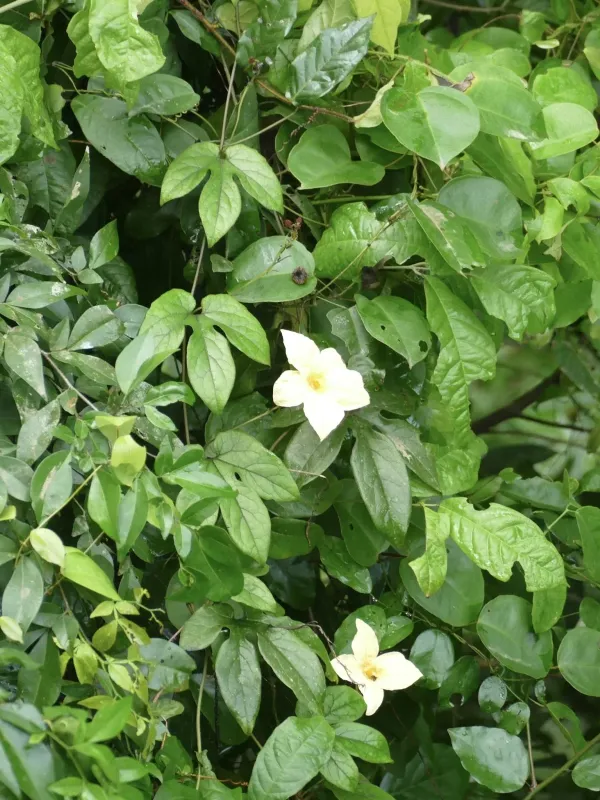
Description
Growing requirements
Ruthalicia eglandulosa is a vigorous perennial climbing plant belonging to the Cucurbitaceae family. Known for its rapid development, the species is native to tropical African environments, which defines its specific biological needs.
The plant thrives in warm, humid climates and is highly sensitive to cold spells. Its natural habitat is characterized by dense, fertile forest soils that are rich in organic matter and retain moisture without becoming waterlogged.
Cultivation requires well-drained, nutrient-rich soil with a neutral pH level. Gardeners must provide strong support structures, such as trellises or arbors, as the plant possesses climbing tendrils that allow it to reach significant heights.
In terms of light, the plant prefers bright, indirect sunlight. Excessive exposure to harsh midday sun can scorch the leaves, so creating a balanced light environment is essential for maintaining plant vitality and aesthetic appeal.
Regular irrigation is vital during the growing season. The root system is relatively shallow, making it susceptible to drought; therefore, maintaining consistent soil moisture levels is necessary for healthy leaf and stem development.
Main diseases and pests
Fungal pathogens, particularly root rot, represent the most significant threat to this species. Overwatering is the primary cause of such infections, highlighting the need for efficient soil drainage systems.
Pests such as spider mites and aphids are known to feed on the tender young leaves, leading to stunted growth. Integrated pest management, including the introduction of natural predators, can help maintain population levels.
Powdery mildew is a frequent issue in environments with poor air circulation or high humidity. Pruning overgrown vines to improve airflow significantly reduces the likelihood of fungal colonization on the foliage.
Nematode infestations can severely impact the root system, causing yellowing and a general decline in plant vigor. Sterilizing the soil or using elevated planter beds are recommended strategies for prevention.
Viral infections, often spread by sucking insects, may lead to mosaic patterns on the leaves and reduced flowering rates. Removing and destroying any infected plant parts immediately is crucial for limiting the spread of diseases.