
Ruellia makoyana
Ruellia makoyana
Description
Growing requirements
Ruellia makoyana is a perennial evergreen herbaceous plant belonging to the Acanthaceae family. Originally native to the tropical rainforests of Brazil, this plant thrives in warm, humid environments, where it naturally occupies the understory, preferring dappled light over direct sunshine.
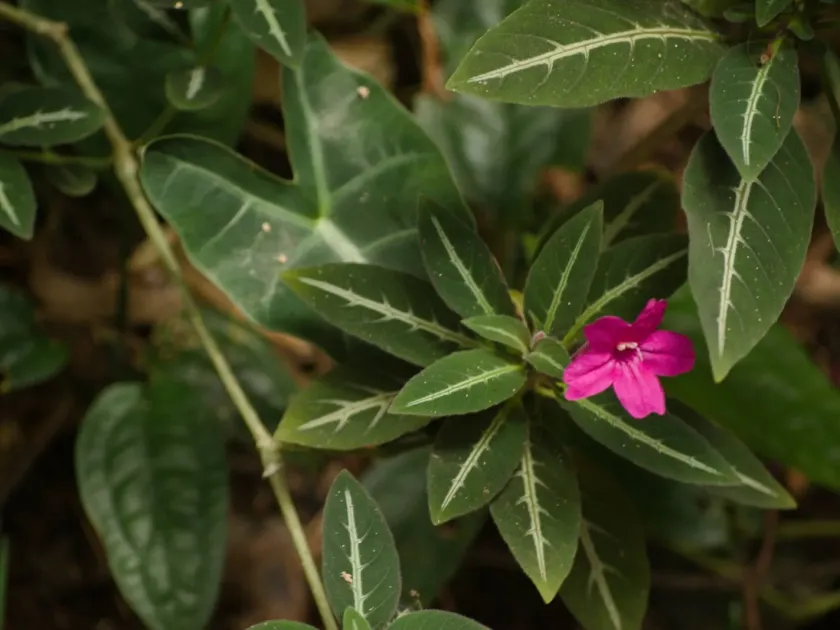
The botanical characteristics of this species are defined by its velvety, olive-green foliage marked with delicate silver veins. Its flowers are typically funnel-shaped and exhibit a soft pink to purplish hue, contributing significantly to its popularity among indoor plant enthusiasts.
To ensure optimal growth, the ambient temperature should be maintained between 18 and 24 degrees Celsius. The plant is sensitive to thermal fluctuations and cold drafts, both of which can cause leaf drop and stunted growth during the active growing season.
Soil requirements involve a nutrient-rich, well-draining substrate. A mix consisting of peat, leaf mold, and horticultural sand is generally recommended. Proper drainage is crucial to prevent waterlogging, which the plant cannot tolerate due to its delicate root system.
The primary use of Ruellia makoyana is ornamental. It is widely cultivated in home interiors, greenhouses, and conservatories. Its trailing habit makes it an excellent choice for hanging baskets or elevated displays where the silver-veined foliage can be showcased effectively.
Main diseases and pests
Common pests that affect Ruellia makoyana include spider mites, mealybugs, and whiteflies. These insects typically proliferate in environments where the air humidity is insufficient, a common occurrence in heated homes during winter months.
Regular monitoring of the underside of the leaves is a key preventive measure. If an infestation is detected, physical removal of insects combined with the application of appropriate systemic insecticides is necessary to protect the health of the plant.
Pathogenic issues often stem from improper watering regimes. Overwatering, especially in cooler conditions, often leads to root rot. To mitigate this risk, one must ensure that the potting medium dries out slightly between waterings.
Fungal infections, such as powdery mildew, may occur if there is poor air circulation. Improving ventilation around the foliage helps minimize the risk of spores germinating on the leaves, keeping the plant healthy and aesthetically pleasing.
When chemical treatment is required, it is best to use mild horticultural soaps or specialized indoor plant insecticides. Prevention remains the most efficient strategy, focusing on balanced light, humidity, and airflow to maintain the plant's natural resistance.