
Ruellia grandiflora
Ruellia grandiflora
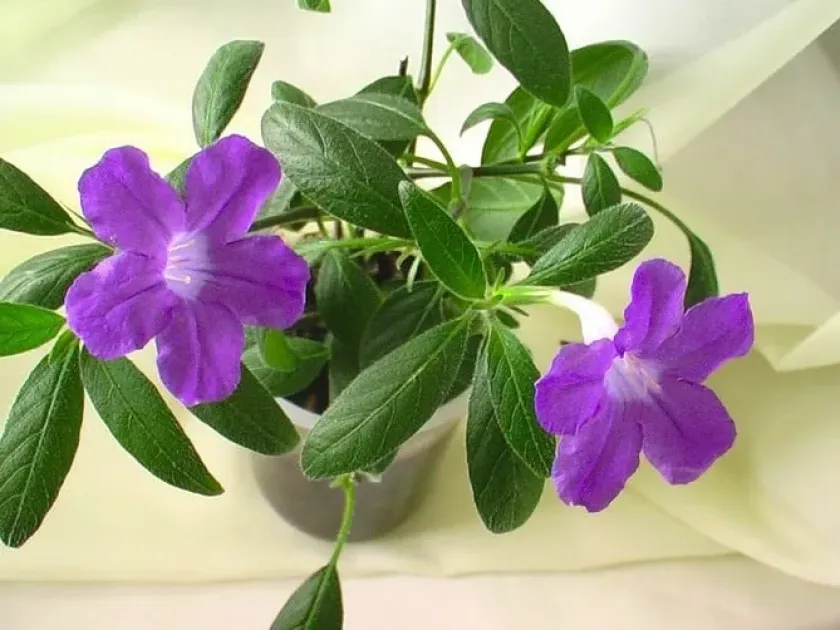
Description
Sowing dates
Propagation of Ruellia grandiflora, a member of the Acanthaceae family, is most commonly achieved through stem cuttings during the spring and summer. Use healthy terminal shoots and place them in a light substrate consisting of peat and sand.
Seed propagation is less common but viable. Seeds should be sown in early spring in a loose soil mix at temperatures between 22 and 24 degrees Celsius. Maintaining high humidity is essential for successful germination.
Young plants require transplanting into individual pots once they develop their first two pairs of true leaves. It is best to use the transfer method to avoid disturbing the delicate root system.
To encourage a bushy habit, gardeners recommend pinching the tips of young stems. This practice promotes the growth of lateral branches, significantly increasing the potential number of blooms.
The ideal time for propagation is March or April, coinciding with increasing day length. Plants established during this period have enough time to mature before the cooler autumn temperatures arrive.
Growing requirements
Ruellia prefers bright, indirect light, as direct sunlight can scorch its tender leaves. The plant thrives best on eastern or western window sills in rooms with moderate ambient temperatures.
This species has high humidity requirements. In environments with low humidity, particularly during winter when heaters are in use, regular misting or the use of an air humidifier is highly recommended.
The growing medium must be fertile, well-draining, and slightly acidic to neutral in pH. A quality drainage layer at the bottom of the pot is crucial to prevent waterlogging and root rot.
The temperature should be maintained between 20 and 25 degrees Celsius during the active growing season. In winter, the plant enters a period of relative dormancy, where temperatures can be lowered to 16–18 degrees.
Watering should be regular but measured, allowing the top layer of soil to dry out between waterings. Overwatering is fatal for the root system and may lead to rapid fungal decay.
Main diseases and pests
The primary threats to Ruellia, especially when horticultural practices are neglected, are pests such as spider mites and mealybugs. These thrive in dry air, making microclimate management the best preventive measure.
Overwatering often leads to fungal infections, primarily root rot. The first signs are yellowing and wilting leaves, even while the soil remains moist to the touch.
To combat insect pests, apply modern insecticides or acaricides, following the label instructions precisely. Preventive treatment is necessary if nearby plants show signs of infestation.
Powdery mildew can develop in areas with poor ventilation. To address this, use copper-based fungicides or systemic treatments designed to stop the spread of fungal spores.
Regular inspection of the underside of leaves and stem axils helps identify problems early. Maintaining clean tools and using sterilized soil helps minimize the risk of recurring infections.