
Showy coneflower
Rudbeckia speciosa
Description
Sowing dates
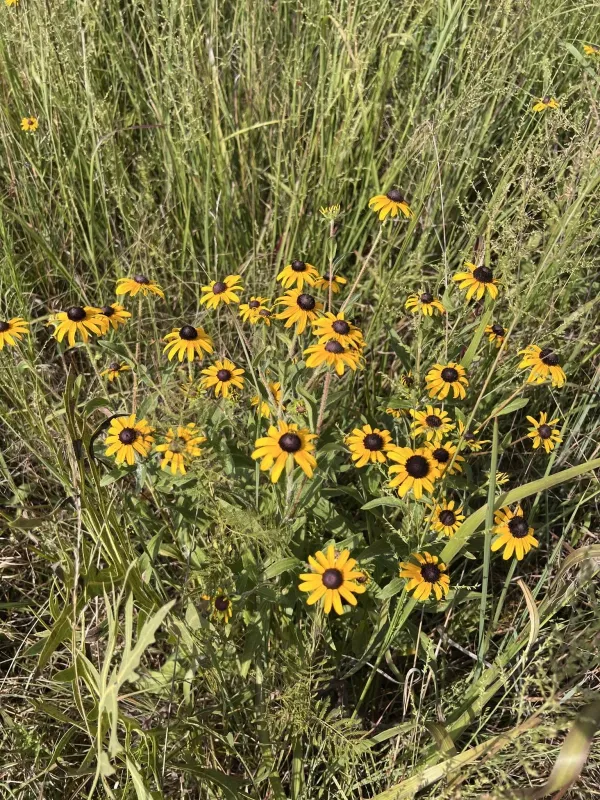
Showy coneflower (Rudbeckia speciosa) is a member of the Asteraceae family, originating from North America and known for its vibrant yellow blossoms.
Seeds can be sown directly outdoors in late spring once the danger of frost has passed, ensuring the soil has warmed up sufficiently for germination.
For indoor propagation, seeds should be started in late winter or early spring, approximately six to eight weeks before the planned transplant date.
Light coverage is essential, as the seeds require some ambient light to germinate effectively within the moist seed-starting mix.
Once established, seedlings are hardened off for a week before being planted into their final garden location at a distance of 40 centimeters apart.
Growing requirements
The plant thrives in full sun, though it exhibits good tolerance for partial shade in regions with intense summer heat and high solar radiation.
It prefers fertile, well-draining soils with a neutral pH, and it shows high sensitivity to waterlogged conditions which can lead to root degradation.
Regular irrigation is vital during the establishment phase and peak flowering, although the plant becomes moderately drought-tolerant once fully matured.
Application of compost or slow-release fertilizer in early spring supports sustained growth and prolific production of inflorescences throughout the season.
- Soil should be kept consistently moist but not saturated.
- Mulching helps to retain soil moisture and suppress annual weeds.
- Deadheading spent flowers encourages a longer blooming period into autumn.
Main diseases and pests
Powdery mildew is the most common fungal disease, typically appearing as a white dusting on leaves when air circulation is poor and humidity is high.
Leaf nematodes can cause significant cosmetic and health damage, manifesting as angular brownish necrotic spots between the leaf veins.
Aphids pose a recurring threat, particularly to new growth, and can act as vectors for various plant viruses that hinder the overall vigor of the crop.
Integrated pest management strategies, such as maintaining plant spacing and removing debris, are crucial for long-term health and disease prevention.
Chemical control with fungicides or systemic insecticides should be considered as a secondary measure when cultural practices are insufficient to control infestations.