
Rubus sumatranus
Rubus sumatranus
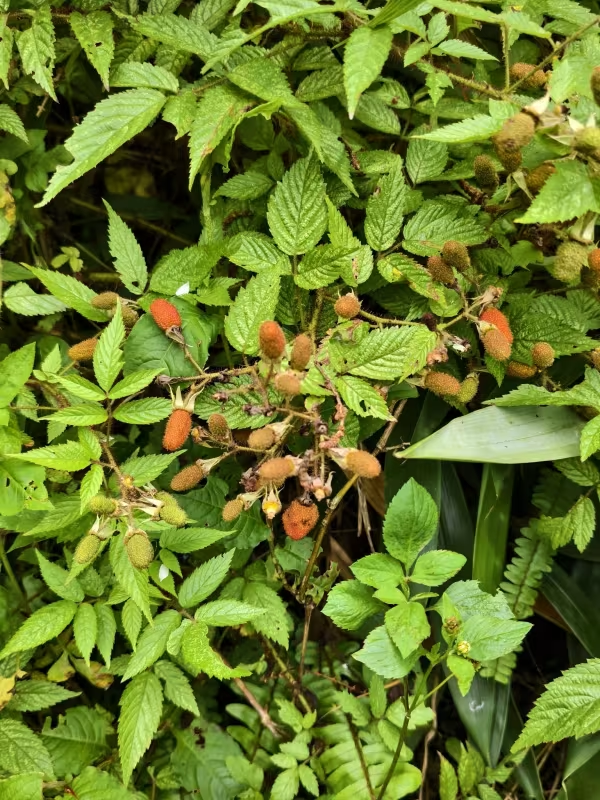
Description
Growing requirements
Rubus sumatranus is a perennial shrub belonging to the Rosaceae family. Often recognized for its close relationship to the common raspberry, this species has evolved specific botanical characteristics adapted to tropical mountainous environments, making it a unique subject for agricultural study.
Native to the regions of Southeast Asia, particularly Indonesia and Sumatra, this plant typically thrives in humid forest clearings. Successful cultivation requires mimicking these natural conditions by providing partial shade and protection from extreme solar radiation.
The plant demands well-drained, nutrient-rich soils with a slightly acidic pH level. High levels of organic matter are essential for optimal root development, and gardeners are advised to use raised beds if the local soil structure is too heavy or prone to waterlogging.
Climate requirements include a stable, frost-free environment with consistent moisture levels. The plant is sensitive to dramatic shifts in air humidity, and irrigation strategies must be adjusted to maintain constant soil hydration without causing saturation.
Agronomic management involves regular pruning practices, including the removal of spent canes to encourage new, vigorous growth. Mulching is highly recommended to regulate soil temperature and retain moisture, which is critical for plant health in warmer climates.
Yield
Crop yield for Rubus sumatranus is closely linked to the availability of sunlight and precise nutrient management during the flowering phase. Healthy, well-tended shrubs can produce consistent harvests of berries characterized by their distinctive aromatic profiles.
The culinary usage of these berries is centered around their unique flavor and high antioxidant content. They are frequently utilized in gourmet culinary preparations, such as artisanal jams, fresh fruit garnishes, and functional food products that emphasize natural health benefits.
Main diseases and pests
Fungal diseases like gray mold and anthracnose represent the most significant threat to plant health, particularly in stagnant, humid environments. Management strategies should prioritize spacing and air circulation to prevent the onset of these persistent issues.
Pest pressures primarily include aphids and various beetle species that target both the foliage and the delicate flower buds. Integrated pest management, emphasizing cultural controls and biological intervention, is highly recommended to protect the integrity of the fruit.
Harvesting
Harvesting should be performed manually to ensure the integrity of the fragile fruit. Picking the berries during the cooler morning hours helps preserve their firmness and shelf life, which is essential for ensuring high-quality produce for market distribution.