
Rubus sampaioanus
Rubus sampaioanus
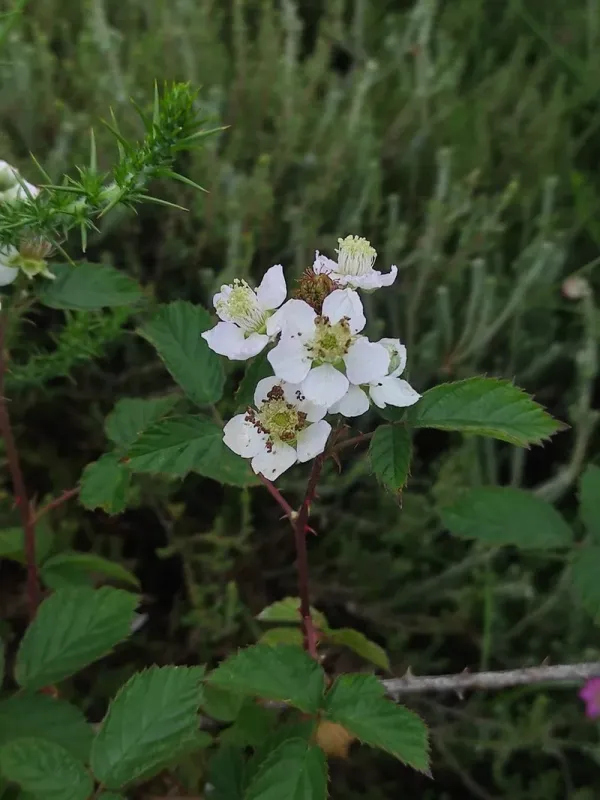
Description
Growing requirements
Rubus sampaioanus is a perennial shrub belonging to the Rosaceae family. This species is primarily native to the Iberian Peninsula, where it thrives in specific ecological niches within woodland margins and scrubland habitats.
The plant demonstrates a preference for temperate, humid climates and grows best in well-drained, nutrient-rich soils with a slightly acidic to neutral pH level. Proper site selection is vital to ensure consistent moisture while avoiding waterlogged conditions.
Botanically, the species is distinguished by its vigorous, arching canes that may require support structures for optimal development and management. It utilizes adventitious rooting as a mechanism for expansion in its natural environment.
Agrotechnical maintenance for Rubus sampaioanus includes regular pruning to remove dead canes and promote airflow, which helps mitigate the risk of fungal infections. Providing sufficient mulch helps regulate soil temperature and suppresses competitive weed growth.
Environmental factors, such as wind protection and partial shade, play a significant role in the plant's productivity. Extreme heat and direct high-noon sun can stress the foliage and negatively impact the berry development process.
Harvesting
The primary agricultural interest in Rubus sampaioanus lies in its fruit, which is a succulent aggregate berry. The berries are valued for their distinct flavor profile and nutritional density, making them suitable for fresh consumption and processing.
Harvesting is typically performed manually as the fruits reach peak maturity, characterized by a deep, dark color and increased softness. This careful approach is necessary to maintain the structural integrity of the delicate berries.
Post-harvest handling is critical for preserving quality. Berries should be kept in cool conditions immediately after picking to extend their shelf life and maintain their aromatic properties for market distribution.
Beyond standard fresh market sales, the species offers potential for the development of specialty jams, preserves, and gourmet culinary applications due to its unique regional flavor characteristics.
While often treated as a specialty crop, ongoing research into its genetic traits may eventually lead to wider cultivation practices that emphasize its hardiness and resistance to localized agricultural stressors.