
Rubus platyacanthus
Rubus platyacanthus
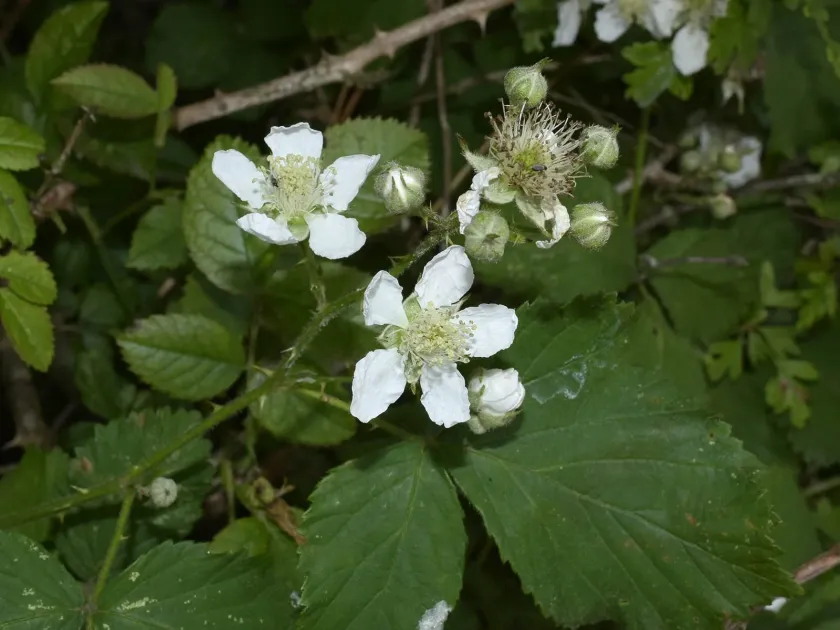
Description
Growing requirements
Rubus platyacanthus is a perennial shrub belonging to the Rosaceae family. It is recognized for its robust growth habit and is cultivated for its flavorful fruits in various temperate regions.
The crop thrives in well-drained loamy soils rich in organic matter. Soil pH should ideally range between 5.5 and 6.5 to ensure optimal nutrient uptake and plant health.
Proper sun exposure is essential for the development of high-quality berries. While the plant can tolerate partial shade, full sun maximizes photosynthesis and sugar content in the fruit.
Water management is critical, especially during the flowering and fruit-setting stages. Drip irrigation systems are recommended to provide consistent soil moisture while keeping foliage dry.
Maintenance involves annual pruning of spent canes to encourage new growth. Trellising the plants facilitates better management, light penetration, and easier access during harvesting.
Main diseases and pests
Blackberries are susceptible to several fungal diseases, including cane blight and anthracnose. These pathogens often thrive in poorly ventilated environments with high humidity.
Insect pests, such as the blackberry gall mite and aphids, can significantly impact yield. Monitoring and early detection are key components of an effective integrated pest management strategy.
Improving air circulation around the plants is one of the most effective ways to reduce disease pressure. This is achieved through proper spacing and consistent pruning practices.
Biological controls and selective organic fungicides should be prioritized to maintain the ecological balance of the orchard. Always follow label guidelines regarding application timings.
Keeping the area around the base of the bushes clear of debris and weeds helps reduce the overwintering sites for both harmful fungi and insects.
Harvesting
Harvesting Rubus platyacanthus requires a careful approach to ensure fruit quality. Berries are ready for picking when they are fully black, plump, and easily detach from the receptacle.
Multiple harvest passes are necessary throughout the season because the fruits do not ripen simultaneously on the same cluster.
Cooler parts of the day, such as early morning, are ideal for harvesting. This helps maintain the firmness of the berries and prevents excessive heat accumulation during transport.
Once harvested, the fruit should be kept in a cool, dry place. Proper handling is vital to prevent crushing the delicate drupelets, which can reduce shelf life and aesthetic appeal.
The harvested produce is highly versatile, suitable for fresh consumption, commercial processing, or frozen storage to meet market demand throughout the off-season.