
Roscoea purpurea
Roscoea purpurea Sm.
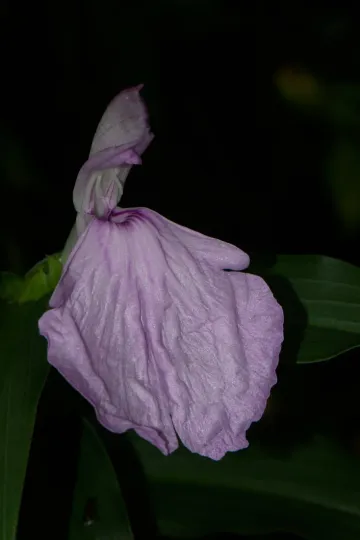
Description
Sowing dates
Roscoea purpurea, a member of the Zingiberaceae family, is a perennial herb that is best planted in spring when the soil has sufficiently warmed up.
For outdoor planting, it is crucial to wait until the risk of frost has completely passed, which typically occurs in late May in most temperate zones.
The tubers should be planted at a depth of approximately 10 to 15 centimeters to ensure they are protected from early spring temperature fluctuations.
Providing a nutrient-rich environment at the time of planting is essential, so incorporating compost or well-rotted manure into the soil is highly recommended.
In cooler climates, gardeners may choose to start the tubers in pots indoors earlier in the season to encourage a more vigorous start to the growing cycle.
Growing requirements
This culture thrives best in rich, moist, but well-drained soil, preferably with a slightly acidic to neutral pH level for optimal nutrient uptake.
A partial shade location is ideal, as the delicate foliage can suffer from scorch if exposed to intense, direct afternoon sunlight for extended periods.
Consistent moisture is key; the plant requires a steady supply of water throughout the growing season, particularly during dry spells in summer.
Good drainage is non-negotiable; in areas with heavy clay soil, adding grit or organic matter is vital to prevent waterlogging and subsequent rot.
During the dormant winter season, a protective layer of mulch is necessary in colder regions to insulate the rhizomes against freezing temperatures.
Main diseases and pests
The most significant threat to the health of Roscoea purpurea is root rot, usually brought on by poor drainage and excessive moisture levels.
Slugs and snails are the primary pests that frequent the plant, often grazing on the young, tender leaves as they emerge from the ground.
In hot and arid conditions, spider mites can become an issue, manifesting as fine webbing and yellowing on the foliage of the plant.
Maintaining a clean growing area and avoiding overcrowding can significantly reduce the pressure from various fungal pathogens and insect pests.
Integrated pest management, including regular monitoring and the use of natural controls, is the most effective approach to ensuring plant health.