
Zalana Rose
Rosa zalana
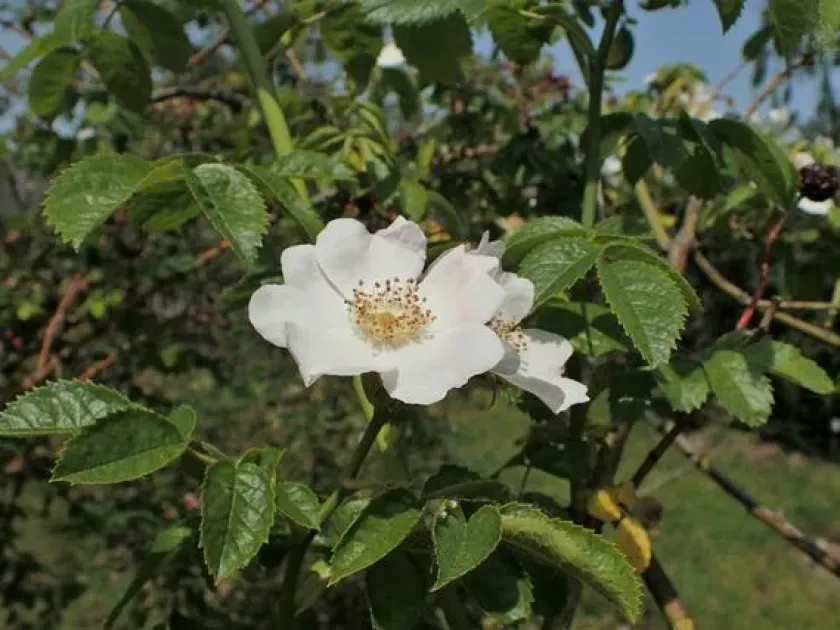
Description
Growing requirements
The Zalana Rose (Rosa zalana) is a distinct species of the Rosaceae family, known for its unique evolutionary path and morphological characteristics. As a wild or semi-cultivated form of rose, it exhibits a high degree of adaptability to diverse environmental conditions.
Cultivation of Rosa zalana requires well-drained, fertile soil, ideally with a neutral or slightly acidic pH balance. The plant performs best in full sun exposure, which is necessary to encourage healthy flowering and to maintain the typical vigor of the shrub during the growing season.
Watering requirements are moderate; however, consistency is key during the establishment phase. Proper irrigation prevents moisture stress, allowing the root system to penetrate deeper into the soil profile and strengthening the overall structural integrity of the plant.
The species possesses significant winter hardiness, making it an excellent choice for temperate climates. Its biological rhythm includes a distinct dormant period, during which it sheds leaves to withstand cold temperatures, protecting its metabolic functions until spring.
In terms of agricultural utility, Rosa zalana is primarily valued for its role in landscape architecture and as a robust rootstock. It provides structure and beauty to wild-style gardens while acting as a supportive habitat for local pollinator populations.
Main diseases and pests
Rosa zalana is susceptible to common rose ailments, with powdery mildew being the most frequent concern during humid, stagnant weather. Ensuring proper spacing between bushes is the primary preventive measure to improve airflow and reduce humidity levels.
Black spot fungus can also occur in environments with frequent rain and poor drainage. Management involves the removal and destruction of infected leaves to prevent spore dispersal, often supplemented by targeted antifungal treatments when necessary.
Insect pests, particularly aphids, can colonize the soft tissue of new growth in the spring. Integrated pest management strategies, such as introducing beneficial insects like ladybugs, can effectively control aphid populations without chemical interference.
Spider mites represent a significant threat during hot, dry summer periods. These pests thrive in dusty conditions and can cause extensive leaf yellowing if not addressed promptly through misting or the application of appropriate acaricides.
General plant health is maintained through correct fertilization practices, ensuring the plant receives adequate potassium to harden off tissue before winter. Regular pruning also serves as a critical practice to remove dead wood and potential overwintering sites for pathogens.