
Tushetian Rose
Rosa tuschetica
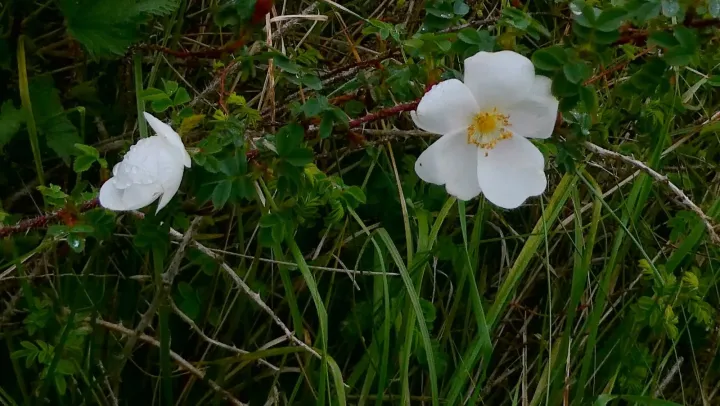
Description
Growing requirements
The Tushetian Rose (Rosa tuschetica) is a distinct species belonging to the Rosaceae family. It is a hardy, wild-growing shrub originating from the high-altitude regions of Tusheti, Georgia, which defines its remarkable resilience to harsh climates.
This species thrives in sunny locations, reflecting its adaptation to mountain slopes. It prefers well-drained, slightly acidic to neutral soils that prevent root rot, as the plant is sensitive to waterlogged environments.
When cultivating this rose in a garden setting, it is essential to ensure adequate space for its growth. The shrub has a natural, spreading habit, which requires periodic maintenance to ensure proper air circulation.
Soil preparation involves adding organic matter to improve aeration. The Tushetian Rose does not demand intensive fertilization, but a light application of balanced minerals in early spring supports healthy foliage development.
Annual pruning is a critical part of the plant's agrotechnics. By removing dead wood and weak branches in early spring, gardeners can ensure that the plant retains its vigor and produces an abundance of flowers during the summer.
Main diseases and pests
While the Tushetian Rose is generally robust, it may be susceptible to powdery mildew under conditions of high humidity and poor air circulation. Proper spacing between plants is the best preventative measure.
Aphids can be a common nuisance during the growing season, particularly on soft new shoots. Integrated pest management, including the use of beneficial insects, can help keep their populations under control.
Spider mites may appear during hot and dry summer spells. Regular monitoring of the underside of the leaves and occasional light misting can prevent significant infestations from establishing themselves.
Rose sawfly larvae can tunnel into stems, causing localized dieback. Careful inspection followed by the pruning of affected parts is necessary to stop the spread of these insects throughout the shrub.
Disease management is most effective when combined with good garden hygiene. Clearing leaf debris from around the base of the plant in autumn reduces the habitat for fungal spores and overwintering pests.