
Mountain rose
Rosa montana
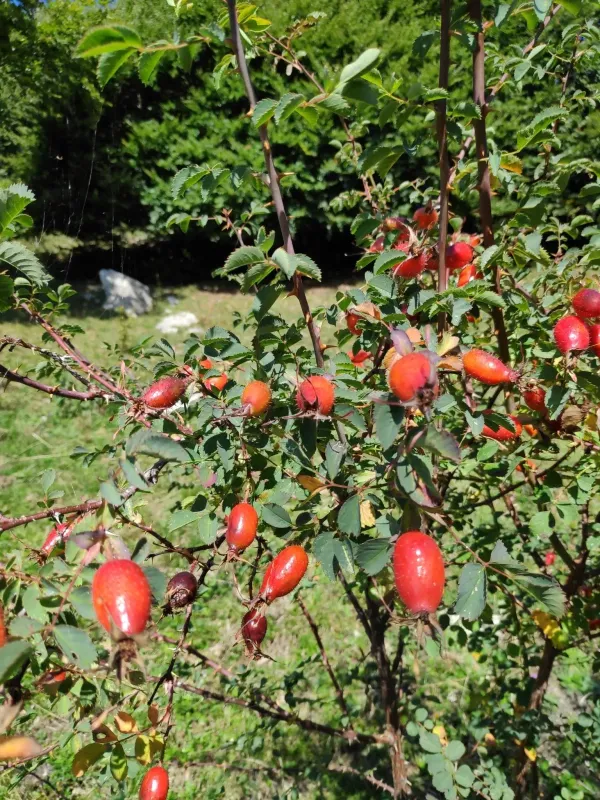
Description
Growing requirements
The Mountain rose (Rosa montana) is a hardy shrub species within the Rosaceae family, naturally occurring in mountainous ecosystems.
Cultivation requires well-drained, fertile soil with a neutral to slightly acidic pH, ensuring that the root zone remains oxygenated to prevent decay.
Optimal growth occurs in full sun exposure, which is critical for developing the structural integrity of the stems and supporting consistent annual blooming cycles.
This species is highly regarded for its cold tolerance and resilience, making it an excellent candidate for ornamental landscaping in harsh or elevated environments.
The plant serves multiple utilitarian purposes, ranging from soil stabilization on steep slopes to providing aesthetic value in rock gardens and cold-climate nurseries.
Main diseases and pests
Common pathological threats include black spot and powdery mildew, which thrive when airflow around the foliage is restricted by dense canopy growth.
Key insect pests that target the species include aphids and spider mites, which can cause significant damage to young shoots during the peak growing season.
Strategic management involves regular pruning to increase air circulation, which naturally mitigates the risk of fungal infections throughout the vegetative stage.
Integrated Pest Management (IPM) techniques should be applied to monitor and control infestations before they compromise the health of the entire shrub.
Preventative applications of fungicides and selective insecticides are recommended for commercial and private growers to maintain high ornamental standards.