
Kokand rose
Rosa kokanica
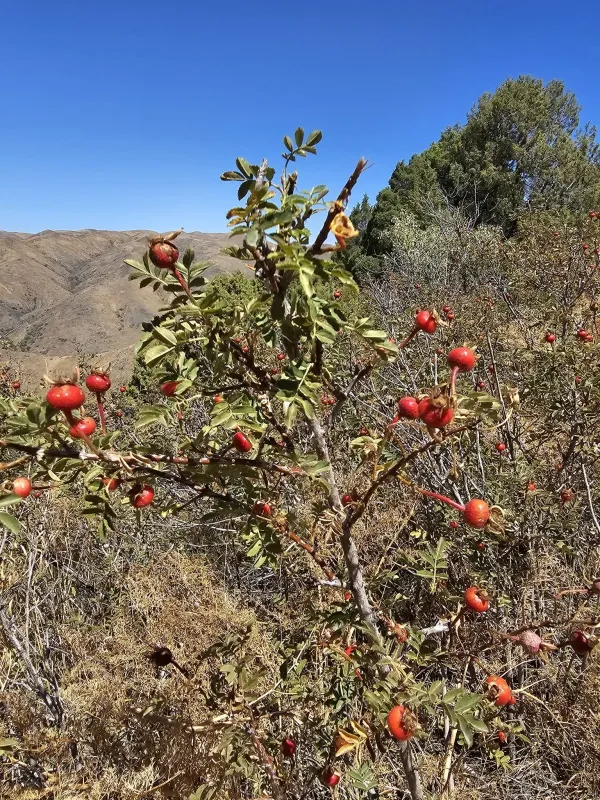
Description
Growing requirements
The Kokand rose (Rosa kokanica) is a distinctive species belonging to the Rosaceae family, native to the rugged terrains and foothills of Central Asia. This deciduous shrub is highly valued for its ability to thrive in challenging environments where many other rose species struggle.
Biologically, the plant is adapted to arid and semi-arid climates, demonstrating exceptional resistance to drought and poor soil conditions. It requires full sun exposure throughout the day to sustain its vigorous growth patterns and produce its characteristic yellow blossoms.
Botanical features include small, finely textured foliage and thorny stems that form a dense, protective structure. Unlike modern hybrid teas, this species retains wild traits, making it a robust candidate for xeriscaping and sustainable garden design in dry regions.
Regarding soil requirements, the Kokand rose prefers well-draining substrates, such as rocky or sandy soils. Providing excellent drainage is essential, as the species is highly susceptible to root rot if water accumulates around the base of the shrub during periods of high precipitation.
Agricultural management for this species is relatively low-maintenance due to its natural hardiness. Once established, the shrub requires minimal irrigation, making it an ideal choice for landscapes where conservation of water resources is a primary goal for gardeners and landscapers.
Main diseases and pests
The primary threats to Rosa kokanica include fungal infections like powdery mildew, which thrive when environmental conditions become overly humid. Proper spacing and airflow are crucial to minimize the risk of infection and maintain plant health.
Pests such as aphids and spider mites can impact the vitality of the shrubs during dry, hot weather. Regular monitoring and the application of appropriate biological or chemical treatments can prevent infestations and ensure the long-term aesthetic appeal of the plantation.