
Rosa filipes
Rosa filipes
Description
Growing requirements
Rosa filipes is a vigorous climbing plant belonging to the Rosaceae family. Native to the mountainous regions of Western China, this species is highly valued for its exceptional growth rate and ability to cover large vertical structures effectively.
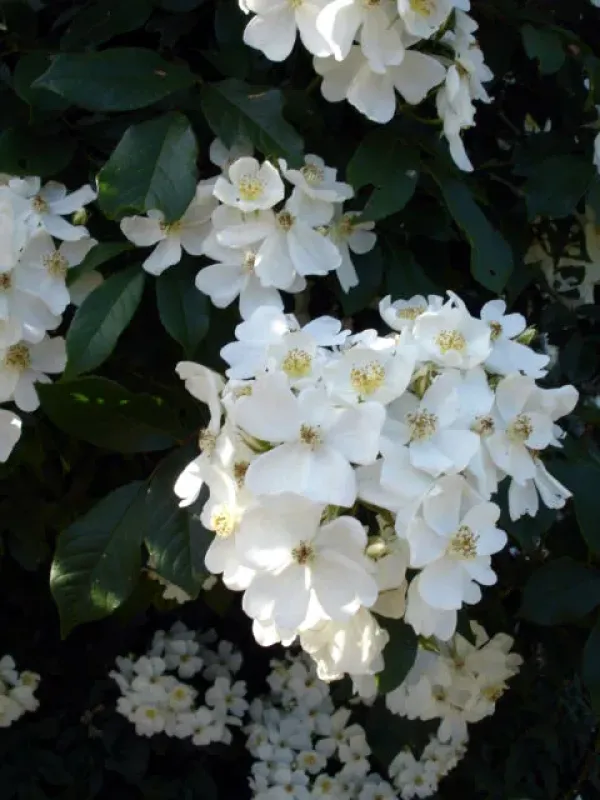
Botanically, this rose is characterized by long, flexible, and slender stems that can reach heights of several meters. The foliage is elegant and pointed, providing a lush background for the abundant, small, fragrant white flowers that appear in clusters during the mid-summer period.
To ensure optimal development, Rosa filipes requires a location with full sun to partial shade. The soil should be fertile, well-draining, and rich in organic matter to support the rapid development of the root system and long canes.
Agronomic management involves providing sturdy support structures such as trellises, arbors, or walls. Regular pruning is essential to remove deadwood and maintain the desired shape, ensuring that sunlight reaches the inner parts of the plant to stimulate healthy flowering.
Watering should be consistent, especially during the establishment phase and periods of extended drought. Applying a balanced fertilizer in the early spring promotes vegetative growth, while potassium-rich fertilizers in autumn help the plant harden its wood for winter.
Main diseases and pests
The plant is susceptible to common rose diseases, including powdery mildew and black spot. Good air circulation around the canopy and avoiding overhead irrigation are critical cultural practices to help prevent these fungal infections.
Pests such as aphids, spider mites, and sawflies can cause damage to leaves and flower buds. Integrated pest management, including monitoring and applying appropriate horticultural oils or insecticides, is recommended to manage populations effectively.
Harvesting
The primary use of Rosa filipes is in landscape architecture for vertical gardening. It is an excellent choice for covering pergolas, aging garden structures, or even climbing through mature trees to create a natural, romantic atmosphere in large gardens.