
California wild rose
Rosa californica
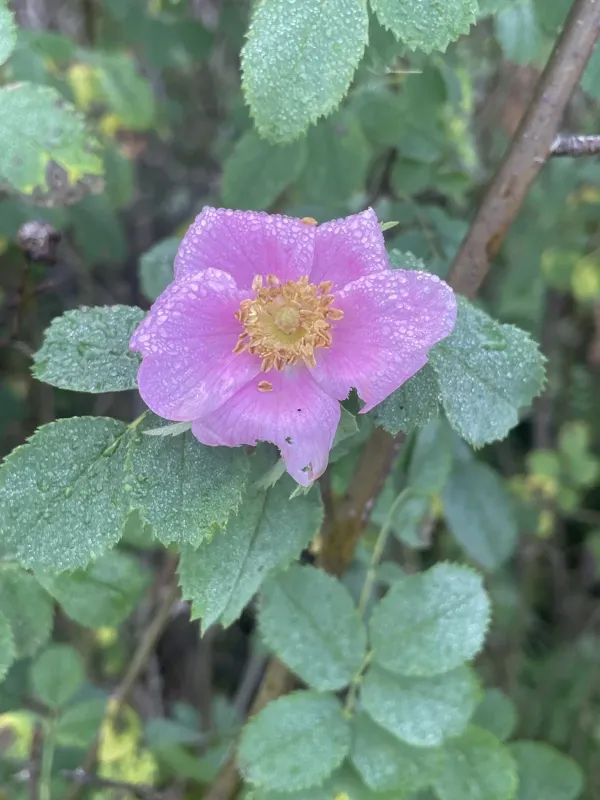
Description
Growing requirements
The California wild rose (Rosa californica) is a deciduous shrub belonging to the Rosaceae family. Native to western North America, it is widely recognized for its ability to thrive in diverse habitats, ranging from moist riparian zones to dry, open woodland edges.
In terms of soil requirements, this species prefers well-drained, fertile substrates. While it shows remarkable tolerance for different soil types, it performs best in soils that are slightly acidic to neutral and contain moderate levels of organic matter to support healthy root development.
The cultural requirements are centered on full sun exposure, although the plant can tolerate partial shade in hotter climates. Adequate spacing is essential to ensure proper airflow, which is critical for preventing fungal diseases and maintaining the vigor of the shrub.
Water management is crucial during the establishment phase. Once the root system is well-developed, Rosa californica exhibits moderate drought tolerance, but regular supplemental irrigation during the hottest months of the year ensures a more prolific and prolonged blooming period.
Botanically, the shrub is characterized by its arching stems, prickly thorns, and delicate, five-petaled pink flowers. Following the flowering period, it produces bright red rose hips, which are botanically significant as an important food source for local wildlife, including songbirds and small mammals.
Main diseases and pests
Powdery mildew is a common fungal threat, particularly in areas with high humidity or poor ventilation. Symptoms typically include a dusty white coating on leaves, which can lead to premature leaf drop and overall stress for the plant if left untreated.
Aphids represent the most frequent insect pest for this species. They cluster on tender new growth and developing buds, feeding on phloem sap and potentially transmitting viruses, which requires periodic monitoring and management to prevent significant population explosions.
Rust, caused by Phragmidium species, manifests as small, orange-colored spore masses on the undersides of the leaves. This disease is most prevalent in cool, damp conditions and can lead to significant defoliation if the infected material is not pruned promptly.
Rose scale is another potential issue that can occur on older stems. These insects appear as small bumps on the bark and can weaken the shrub over time by extracting sap, eventually leading to dieback of specific branches if the infestation is severe.
Management strategies should focus on preventive care, including proper sanitation practices such as clearing debris from around the base of the plant. A combination of balanced fertilization and organic pest control measures helps maintain the plant's natural resistance to these common challenges.