
Romulea rosea
Romulea rosea (L.) Eckl.
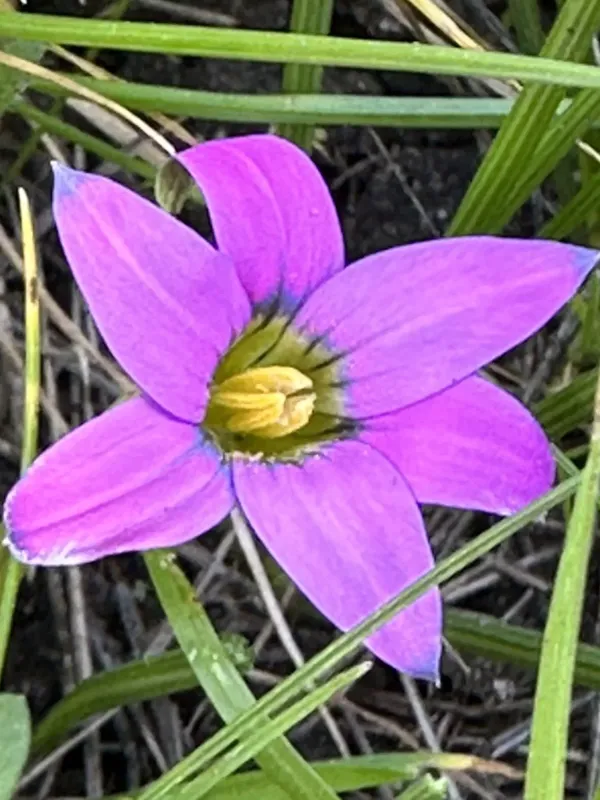
Description
Sowing dates
Romulea rosea is a perennial herbaceous plant belonging to the Iridaceae family, originating from South Africa and common in Mediterranean climates.
The planting of corms is typically performed in late summer or autumn, which allows the root system to establish itself before the arrival of winter.
In regions with colder climates, the culture is often grown in containers, allowing for better control over soil temperature and drainage requirements.
When sowing seeds, it is recommended to use a seed tray with a gritty, well-draining medium to ensure optimal germination and early development.
Proper spacing between plants is essential to promote healthy air circulation, which prevents the development of moisture-related fungal issues.
Growing requirements
This species thrives in full sun, requiring bright exposure for several hours a day to initiate the development of its distinctive rose-colored flowers.
The soil must be light, sandy, and exhibit exceptional drainage properties, as waterlogged conditions quickly lead to the rotting of the corm structure.
It prefers a climate characterized by moist, mild winters and hot, dry summers, reflecting its natural evolutionary adaptation to specific ecological niches.
Watering should be generous during the active growth period but must be strictly reduced or stopped completely when the plant enters its seasonal dormancy.
The plant is not particularly demanding in terms of soil nutrients but benefits from a light application of balanced fertilizer during the early vegetative phase.
Main diseases and pests
The most significant threat to the health of the plant is fungal rot, specifically pathogens that attack the corm when the soil remains too wet for too long.
Pests such as aphids and spider mites can infest the foliage, particularly when the plants are grown in confined or poorly ventilated conditions.
Root-knot nematodes can also cause damage by inhibiting nutrient uptake, leading to yellowing of leaves and reduced flower quality throughout the season.
Preventative measures include avoiding overcrowding, ensuring proper sanitation of the planting site, and applying fungicides as a tactical response to outbreaks.
Regular inspection of the corms before planting is vital to ensure that only healthy, disease-free material is introduced to the garden bed or containers.