
Ritchiea albersii
Ritchiea albersii
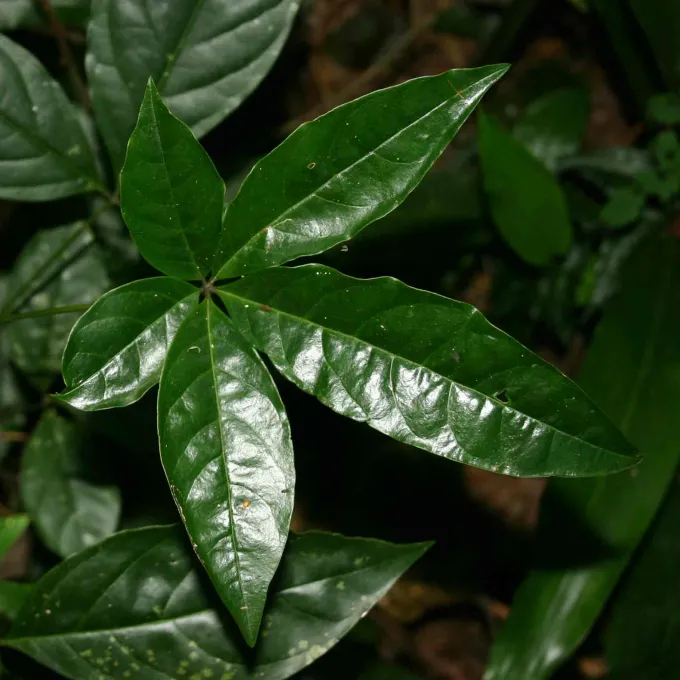
Description
Growing requirements
Ritchiea albersii is an evergreen shrub or small tree belonging to the family Capparaceae. Native to the tropical regions of East and Central Africa, it thrives in forest margins and montane environments where humidity remains consistently high throughout the year.
The plant requires well-drained, nutrient-rich soils to reach its full development potential. It is highly adapted to tropical climates and struggles in regions with significant frost or prolonged periods of drought, necessitating stable thermal conditions for optimal metabolism.
Botanically, it is recognized for its trifoliate leaves and distinctive floral structure, characterized by prominent stamens that attract various local pollinators. The plant structure is robust, often growing as a woody shrub that adds significant biological diversity to its native habitat.
Agronomic management for this species focuses on maintaining balanced moisture levels and providing partial shading in the early stages of growth. While not a commercial staple crop, it is highly valued in local botanical circles for its resilience and unique aesthetic qualities.
The primary utility of Ritchiea albersii includes ornamental planting and ethnobotanical applications. Ongoing interest in the Capparaceae family continues to highlight the potential of such species in sustainable landscaping and scientific research into plant secondary metabolites.