
Ridolfia segetum
Ridolfia segetum
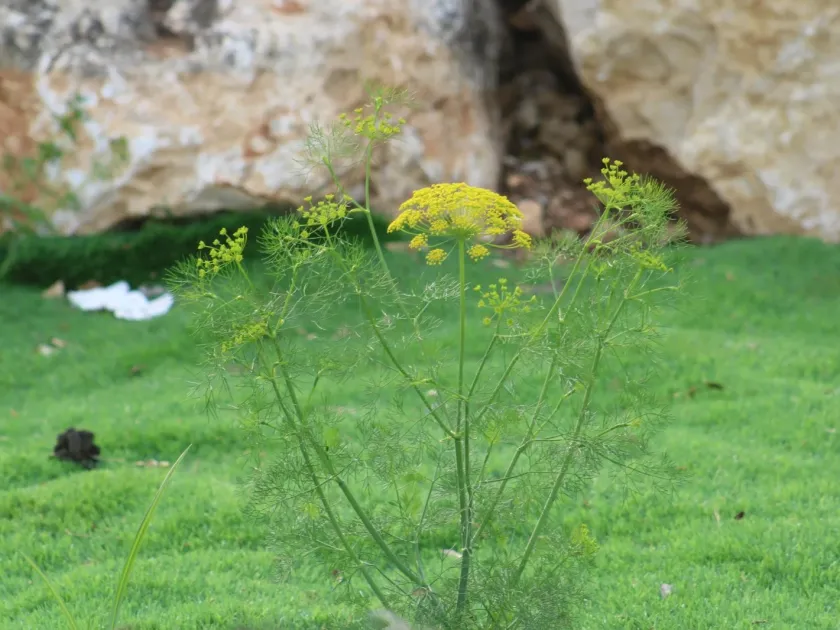
Description
Sowing dates
Ridolfia segetum is an annual herbaceous plant belonging to the Apiaceae family. Native to the Mediterranean region, it is often found in agricultural fields and pastures, and it is gaining interest as an aromatic and essential oil-bearing crop.
Sowing should be performed in early spring once soil temperatures reach 8–10 degrees Celsius. Selecting well-draining, loose soil is crucial for successful germination, as the seeds are small and sensitive to physical resistance in the soil crust.
Seeds should be sown at a depth of 1–2 centimeters. Consistent soil moisture is necessary during the emergence phase; therefore, the seedbed must be prepared carefully to maintain moisture without becoming waterlogged.
A row spacing of 30–45 centimeters is recommended to facilitate maintenance operations. This spacing allows for mechanical or manual weeding and ensures that the plants receive adequate sunlight and air circulation during their vegetative growth phase.
Thinning is required once the first true leaves emerge. Maintaining a spacing of 15–20 centimeters between individual plants ensures that each specimen has sufficient space for root development and nutrient uptake, which prevents stunted growth.
Growing requirements
Ridolfia segetum is a warmth-loving crop that thrives in sunny, open locations. It requires high light intensity to promote the accumulation of essential oils, making it unsuitable for shaded or woodland areas.
The plant prefers light, fertile, sandy-loam or loam soils with excellent drainage. While it can adapt to various soil types, heavy clay soils that retain excessive water should be avoided to prevent root diseases.
The crop displays moderate drought tolerance; however, regular irrigation is recommended during the active growth phase. Managing water supply is critical, as excessive irrigation during the flowering stage can dilute the aromatic profile of the plant.
The optimal temperature for growth ranges between 20 and 25 degrees Celsius. Extreme cold or prolonged periods of low temperatures can significantly slow down development, potentially leading to delayed flowering and reduced biomass yields.
Regular cultivation and soil aeration are vital components of its agronomy. Breaking the surface crust after rainfall or irrigation improves oxygen availability to the rhizosphere, which is essential for healthy plant development.
Main diseases and pests
Common diseases affecting this species include powdery mildew and various forms of root rot. To mitigate these risks, it is essential to implement a crop rotation schedule that minimizes the prevalence of soil-borne pathogens common to Apiaceae.
Aphids represent a major pest risk for Ridolfia segetum, specifically targeting new shoots and leaves. Integrated pest management, including the use of biological control agents or insecticidal soaps, is effective in managing these outbreaks.
In hot and dry conditions, spider mites may emerge as a secondary pest, causing discolouration and wilting. Maintaining adequate plant hydration and monitoring early signs of infestation are key to preventing large-scale crop loss.
Nematodes can affect the roots if the crop is repeatedly sown in the same location without soil treatment. Using certified, disease-free seed and maintaining distance from other susceptible Apiaceae species are essential preventative strategies.
Overall, keeping the field free of debris and weeds reduces the habitat for many pests. Regular inspection of the crop canopy allows for early detection, which is the most effective strategy for managing threats in organic or conventional systems.
Harvesting
The harvest of green biomass should take place at the beginning of the flowering phase, as the concentration of volatile aromatic compounds is at its peak. Careful cutting with sharp tools prevents damage to the main stems.
Harvesting should be performed in dry, sunny conditions, preferably in the morning after dew has evaporated. Immediate collection and transfer to a shaded environment are necessary to preserve the quality of the essential oils.
Drying must be conducted in a well-ventilated, shaded area at temperatures not exceeding 35 degrees Celsius. Rapid drying at high temperatures can cause the loss of aromatic compounds, significantly reducing the product's market value.
When harvesting for seed, one must wait until the umbels reach full technical maturity, characterized by a brownish color. Care must be taken during the process to minimize shattering, as the seeds disperse easily when ripe.
After threshing, seeds should be cleaned of debris and dried to a moisture content of 10–12%. Storing seeds in breathable containers in a cool, dark, and dry environment is necessary to maintain high viability for the next season.