
Ricinodendron heudelotii
Ricinodendron heudelotii
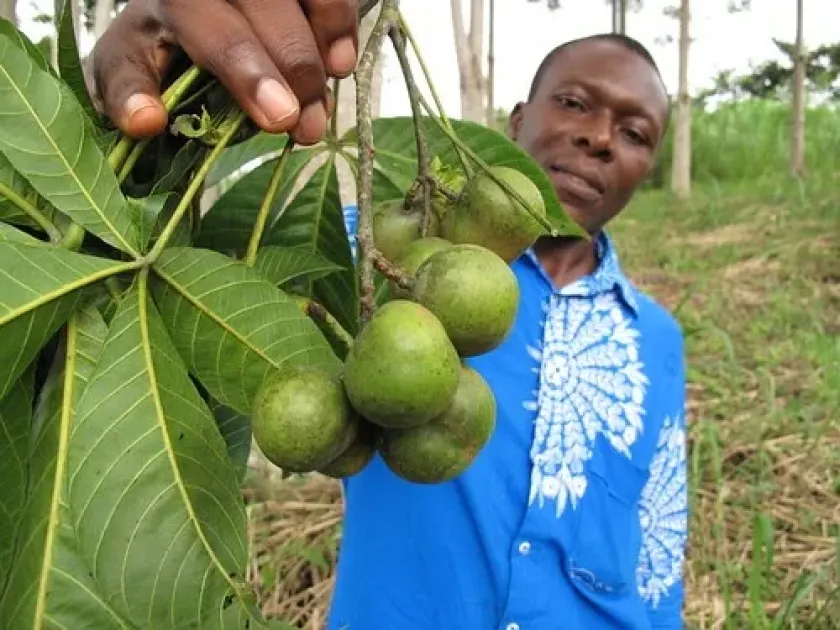
Description
Growing requirements
Ricinodendron heudelotii is a prominent tropical tree species belonging to the Euphorbiaceae family. Native to the rainforests of Central and West Africa, it is widely recognized for its high growth rate and multipurpose benefits in local agriculture.
The tree thrives in humid tropical climates characterized by high temperatures and significant annual rainfall. It performs best in areas with an equatorial climate, where seasonal fluctuations are minimal and the environment remains warm throughout the year.
Optimal growth requires deep, well-draining, and nutrient-rich soils. While the species is relatively adaptable, it avoids waterlogged conditions, making well-drained slopes or loamy soils ideal for establishing new plantation stands.
As a light-demanding species, Ricinodendron heudelotii requires adequate spacing to ensure its broad crown receives sufficient sunlight. In agroforestry setups, it is often intercropped with smaller shade-tolerant crops that benefit from its canopy coverage.
Good agricultural practice involves intensive care during the first two years of establishment. This includes weed management around the base and selective pruning to encourage a strong central leader, which improves future harvest efficiency.
Yield
The primary agricultural output of Ricinodendron heudelotii is its seeds, commonly known as njangsa or njansang. These seeds are a staple in African cuisine, valued for their oily content and unique nutty flavor when added to traditional soups and sauces.
The wood of the tree is highly prized for its low density, often compared to balsa wood. It is extensively used for crafting furniture, packaging crates, and various household wooden utensils, offering an additional source of income for farmers.
Harvesting usually occurs when the mature drupes fall from the tree. Farmers gather the fruits, extract the hard nuts, and dry them properly to ensure long shelf life and quality of the oil extracted during further processing.
Oil extracted from the seeds is high in unsaturated fatty acids, making it a valuable resource for both local consumption and potential commercial cosmetic applications. There is growing interest in scaling up production for global markets.
Production cycles are relatively long, but the tree remains productive for many years once established. Improving genetic selection and plantation management can significantly enhance individual tree productivity and overall nut quality.
Main diseases and pests
The species faces threats from various insect pests, including stem borers and defoliating caterpillars that can stunt the growth of young plants. Regular monitoring of the bark and foliage is essential for early detection.
Fungal pathogens associated with high-humidity environments can pose risks to the fruits and wood. Maintaining clean cultivation practices and ensuring proper ventilation within the plantation area are key strategies for disease prevention.
Rodents and other small forest mammals may sometimes feed on fallen seeds, reducing the net yield. Implementing effective harvesting schedules to collect the seeds promptly after they fall is a vital step in loss reduction.
Post-harvest issues such as seed rot and insect infestation during storage are common. Proper drying techniques in well-ventilated settings are crucial to maintaining the structural integrity and nutritional value of the product.
Agricultural management should prioritize the use of integrated pest control, minimizing the reliance on synthetic chemicals to maintain the ecological balance within the forest-based farming systems.