
Richeria grandis
Richeria grandis
Description
Growing requirements
Richeria grandis is a large evergreen tree belonging to the Phyllanthaceae family. Native to the Caribbean islands, it is a prominent species often found within the montane rainforests of Dominica, St. Lucia, and Puerto Rico.
The tree thrives in high-humidity tropical environments with consistent annual rainfall. It requires well-drained, nutrient-rich soils that provide stability for its massive root system during the frequent storm seasons common in the region.
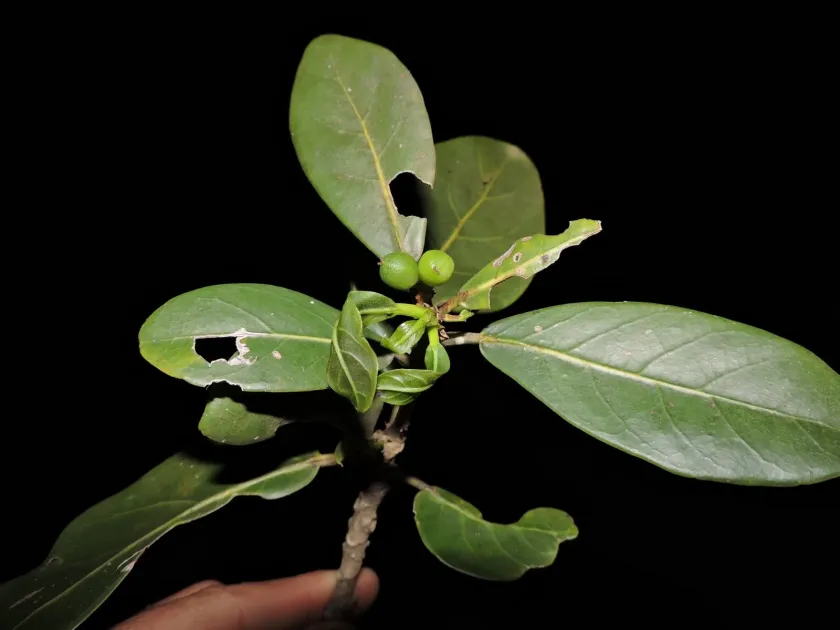
Botanically, the plant is known for its sturdy trunk and thick, leathery leaves which are evolutionary adaptations to survive in dense forest layers. It produces small, inconspicuous flowers that eventually develop into dry, capsular fruits.
Cultivation practices for this species focus primarily on forest management rather than traditional agriculture. It requires significant space for full development and should be protected from invasive plant species that compete for ground nutrients.
In terms of economic value, Richeria grandis is prized for its timber. The wood is exceptionally dense and durable, making it highly desirable for heavy-duty construction projects and local cabinetry where longevity is a priority.
Main diseases and pests
The primary threats to Richeria grandis include fungal pathogens that exploit the high-moisture environment of tropical forests. These fungi can lead to internal wood decay if the tree structure is compromised by storm damage.
Wood-boring insects present a recurring challenge for the species. These pests can significantly reduce the structural integrity of the timber, making early detection through forestry monitoring essential for long-term stand quality.
Climate change poses a long-term risk to the native habitat of this tree, as shifting rainfall patterns can disrupt the delicate ecological balance of montane forests where the species naturally regenerates.
Loss of habitat due to land conversion and logging activities remains the most critical threat. Without sustainable harvesting policies, the density of natural populations faces significant decline in several Caribbean territories.
Competition from aggressive, non-native plant species can stifle the growth of seedlings, preventing them from reaching the canopy level. Strategic clearing and forest canopy management are necessary to ensure the survival of younger generations.