
Rhynchocalyx lawsonioides
Rhynchocalyx lawsonioides
Description
Growing requirements
Rhynchocalyx lawsonioides is a unique woody plant belonging to the Penaeaceae family. In modern botanical taxonomy, this species is recognized as the sole representative of its genus, making it an extremely valuable object for scientific research and biodiversity preservation.
The natural range of this plant is extremely limited and covers small areas in the KwaZulu-Natal province of South Africa. It prefers the specific conditions of coastal forests, where humidity remains consistently high throughout the year.
The crop requires well-drained, slightly acidic soils with a high content of organic matter. In its natural habitat, the plant grows in a mild subtropical climate, avoiding both severe frost and extremely high temperatures.
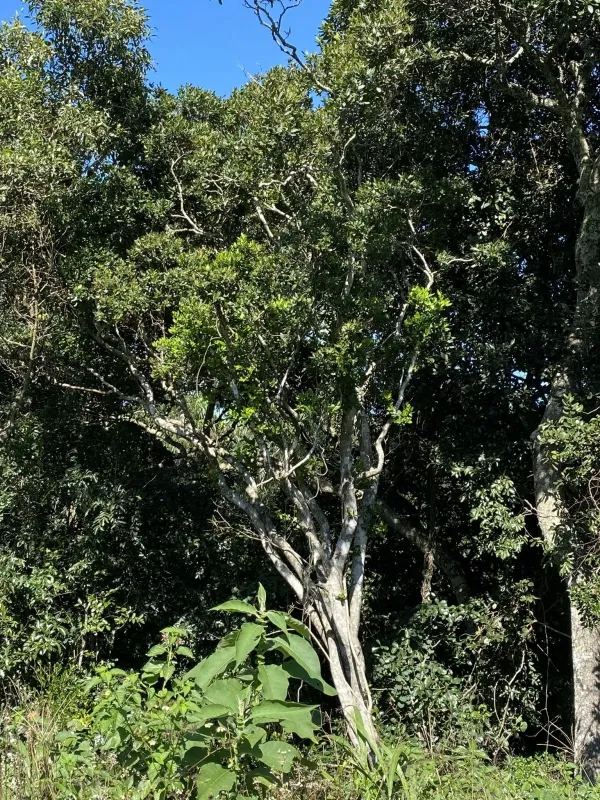
Biologically, Rhynchocalyx is an evergreen shrub or a small tree. Its leaves are lanceolate in shape and resemble those of certain Lythraceae species, which is reflected in the specific epithet "lawsonioides".
Given the limited range and vulnerability of the population, this species is not currently a mass agricultural crop. Its economic significance is primarily restricted to botanical collections and potential use in selective breeding programs for ornamental horticulture.
Main diseases and pests
The primary threat to the existence of Rhynchocalyx in the wild is human impact and habitat fragmentation. Due to its extremely narrow range, the plant is at risk of extinction with any significant changes in local ecosystems.
Specific pests for this species are not extensively documented in the literature; however, like many regional flora, it may be susceptible to pathogens affecting the root system during waterlogging in the soil.
Additional risks are posed by invasive plant species that displace Rhynchocalyx from its natural niches, limiting access to nutrients and sunlight.
To maintain the viability of the culture during introduction, strict phytosanitary control is crucial to prevent the introduction of fungal diseases.
Conservation of the species requires strict adherence to ecological balance and protection of habitats from degradation caused by climate change or deforestation.