
Rhynchanthera grandiflora
Rhynchanthera grandiflora
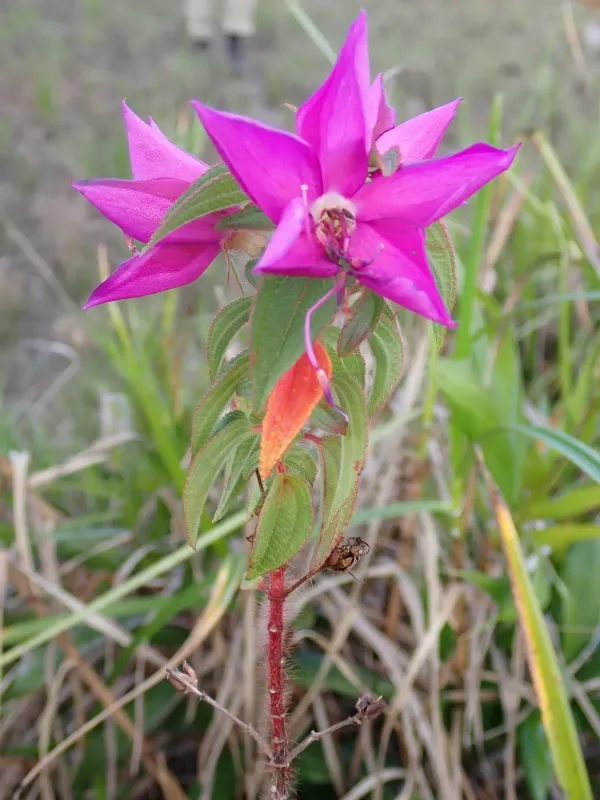
Description
Growing requirements
Rhynchanthera grandiflora belongs to the Melastomataceae family, which is widely recognized for its beautiful tropical foliage and distinct floral structure. It is native to the tropical regions of Central and South America.
This crop thrives in humid tropical environments where temperatures remain consistent throughout the year. It requires bright, indirect light to maintain its vibrant leaf and flower color.
Soil requirements include a rich, acidic, and well-draining potting medium. High organic matter content is essential for healthy root development in this species.
Morphologically, the plant features opposite leaves with characteristic longitudinal veins typical of the Melastome family. The flowers are generally large, showy, and attract various pollinators in the wild.
In terms of practical use, it is primarily cultivated as an ornamental shrub in botanical gardens or specialized tropical greenhouses. Its aesthetic value makes it a subject of interest for rare plant enthusiasts.
Main diseases and pests
The primary threat to Rhynchanthera grandiflora is root rot caused by stagnant water in the root zone. Proper drainage is absolutely critical for its survival.
Insect pests, specifically spider mites and aphids, can cause significant damage to the plant by feeding on the sap of young, tender leaves.
Low humidity levels in greenhouse environments can cause the tips of the leaves to brown and become brittle, reducing the plant's decorative appeal.
Nutrient deficiencies, particularly iron or magnesium, often manifest as leaf yellowing, which suggests the need for balanced fertilization in an acidic medium.
Integrated pest management strategies are recommended, focusing on maintaining optimal airflow and regular inspections to identify infestations early.