
Rhodotypos scandens
Rhodotypos scandens
Description
Growing requirements
Rhodotypos scandens, commonly known as jetbead, is a deciduous shrub that belongs to the family Rosaceae. It is a monotypic genus native to East Asia, primarily found in the forests and slopes of Japan, China, and Korea.
The plant thrives in sunny to partially shaded locations. It requires fertile, well-draining soil to perform optimally. While it is adaptable to various soil types, it performs best in soils with a neutral or slightly acidic pH level.
Watering requirements are moderate. During prolonged dry spells, consistent irrigation is necessary to ensure the plant maintains its vigor and foliage quality. However, it is sensitive to waterlogged conditions, which can lead to root system decay.
Maintenance involves annual pruning performed after the flowering period. This practice encourages the development of new stems and helps maintain a compact, attractive habit. It also prevents the shrub from becoming overly woody or sparse at the base.
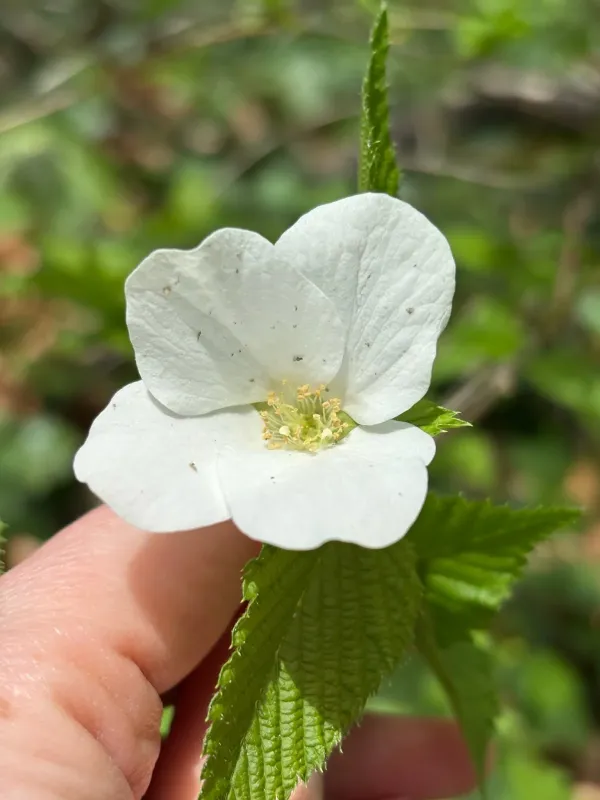
The primary use of Rhodotypos scandens is in ornamental horticulture. It is frequently planted in woodland gardens or mixed shrub borders, valued for its pure white flowers and distinctive, glossy black fruits that persist through the winter.
Main diseases and pests
Rhodotypos scandens is generally regarded as a robust plant with few serious health issues. The most common problems arise from improper cultural practices, specifically poor drainage and excessive moisture, which favor fungal development.
Pest issues are usually limited to aphids and occasional leaf-feeding caterpillars. These are typically managed through monitoring and, when necessary, the application of appropriate systemic or contact insecticides.
Fungal leaf spot diseases may appear in humid environments. To mitigate this risk, it is essential to ensure adequate air circulation between branches by thinning the canopy as part of the regular pruning regimen.
Sanitation practices are vital for disease control. Removing and disposing of diseased foliage or fallen plant debris prevents the buildup of fungal spores and overwintering pest populations in the garden soil.
Winter care is recommended for young or newly established shrubs in colder zones. Protecting the root zone with organic mulch helps insulate the soil and maintains moisture levels during the dormant season.