
Zaleucum rhododendron
Rhododendron zaleucum
Description
Growing requirements
The Zaleucum rhododendron (Rhododendron zaleucum) is a distinctive evergreen shrub belonging to the Ericaceae family. Originally native to the mountainous regions of Myanmar and southwestern China, it thrives in high-altitude habitats characterized by cool and misty conditions.
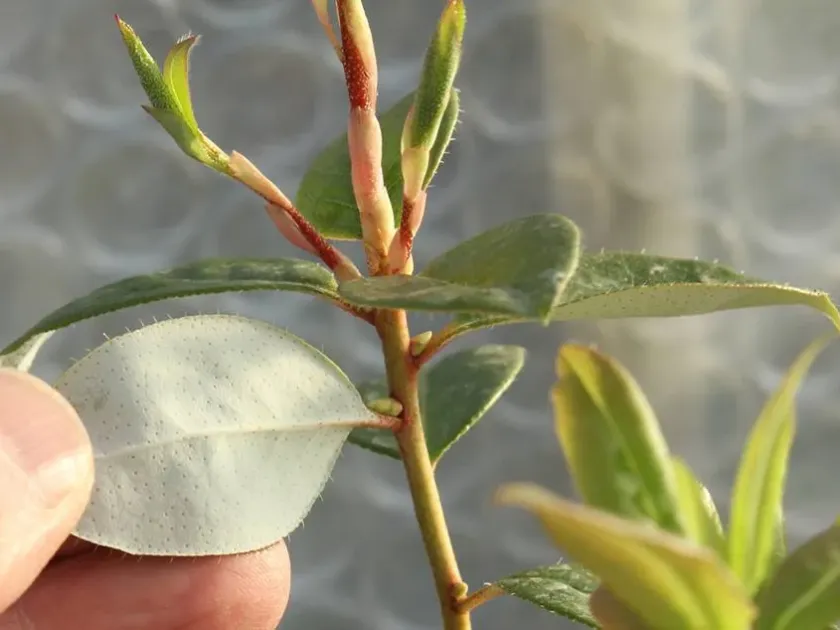
Botanically, this species is noted for its elliptical leaves, which feature a dense layer of scales on the underside, giving them a distinctively white or glaucous appearance. This feature is a key identification trait and contributes to the plant's unique aesthetic appeal during the growing season.
To cultivate this species successfully, it is essential to replicate its natural environment by providing acidic, well-draining, and organic-rich soil. The plant is highly sensitive to root rot, making excellent drainage a prerequisite for planting in garden settings.
Climate requirements include a cool, temperate environment with high atmospheric humidity. It performs best in partial shade, where it is shielded from the intensity of midday sunlight, which can easily scorch the foliage and impair the plant's growth vigor.
Standard horticultural practices for this rhododendron include maintaining consistent soil moisture and applying organic mulch, such as pine bark or needles, to maintain acidity and protect the shallow root system from extreme temperature fluctuations.
Main diseases and pests
The primary health threats for Rhododendron zaleucum include fungal pathogens such as Phytophthora, which commonly attack the root zone in waterlogged soils. Ensuring proper aeration and avoiding heavy or compacted soils are the most effective preventive measures.
Common insect pests include rhododendron bugs and spider mites, which feed on the foliage and sap. Early identification of symptoms such as leaf yellowing or stunted growth is crucial, followed by targeted treatment with appropriate acaricides or systemic insecticides.