
Yakushima rhododendron
Rhododendron yakushimanum
Description
Growing requirements
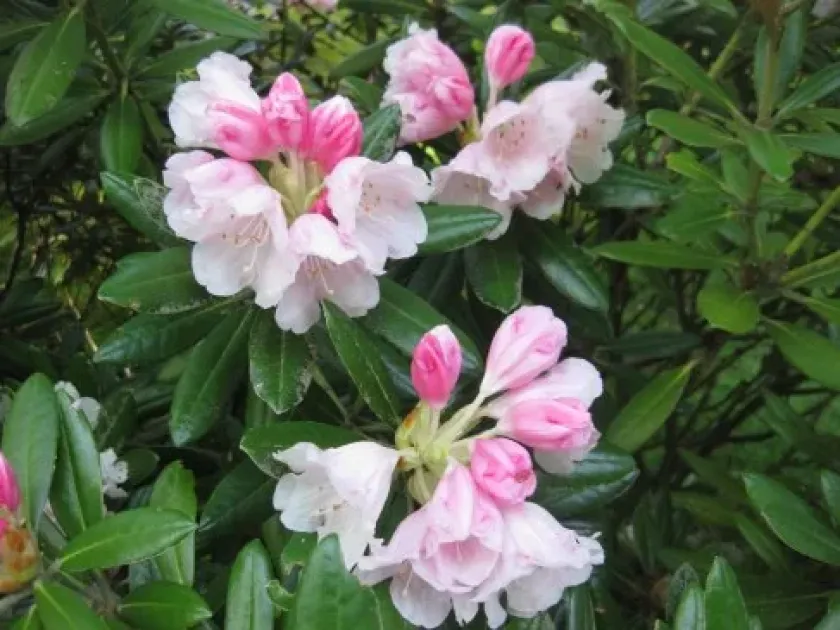
The Yakushima rhododendron (Rhododendron yakushimanum) is a prized evergreen shrub belonging to the Ericaceae family. Native to the high altitudes of Yakushima Island in Japan, it is highly regarded by gardeners for its compact habit and extreme resilience to cold temperatures compared to other evergreen species.
Botanically, it is defined by its dense, mounded growth and thick, felt-like indumentum on the underside of its leaves. This unique feature acts as a protective layer, allowing the plant to retain moisture and survive in diverse environmental conditions while adding significant textural interest to the garden.
Cultural requirements involve planting in acidic, well-draining soil that is rich in peat or pine bark. The species thrives in dappled shade or partial sun, as direct afternoon light can cause leaf scorch, especially in regions with hot and dry summers that deviate from its native cool habitat.
Proper maintenance involves consistent mulching with organic material to keep roots cool and moisture levels stable. Fertilization should be specific to ericaceous plants, applied in early spring to support vigorous growth and the development of the following year's floral buds.
In landscaping, this cultivar is highly versatile and commonly used in rock gardens, woodland borders, and container plantings. Its manageable size and ability to remain attractive throughout the dormant winter months make it a cornerstone plant for high-end horticultural displays.
Main diseases and pests
The primary pathological threats include Phytophthora root rot and various foliar fungi like leaf spot. These issues are almost always secondary to environmental stress, specifically caused by poor drainage, compacted soil, or excessive irrigation that suffocates the root system.
Insect pests such as rhododendron bugs, spider mites, and vine weevils can compromise the plant's health. Integrated pest management, including regular inspection and the use of targeted horticultural oils or insecticides, is necessary to prevent significant damage to the foliage and buds.