
Rhododendron tschonoskii
Rhododendron tschonoskii
Description
Growing requirements
Rhododendron tschonoskii is a distinct, dwarf deciduous shrub belonging to the Ericaceae family. Native to the mountainous regions of Japan and Korea, this species is highly valued in horticulture for its compact, low-growing habit and exceptional hardiness in cold climates.
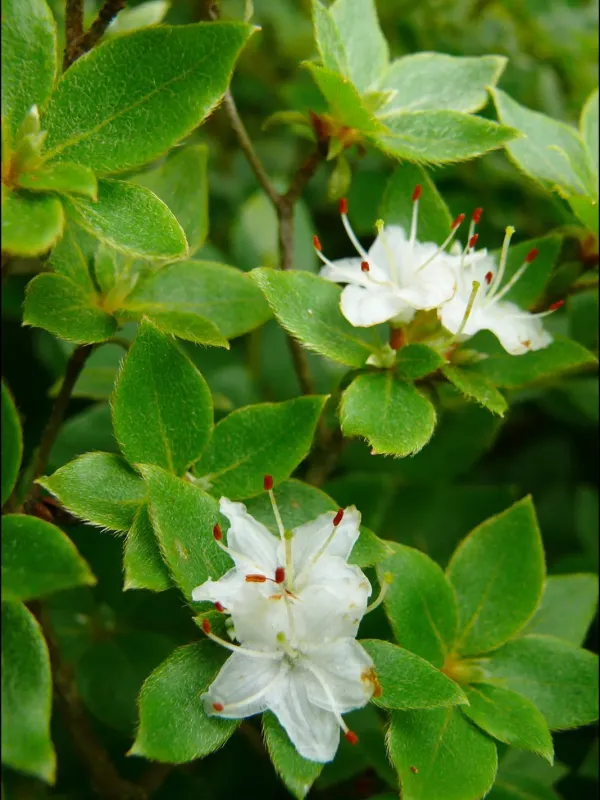
Botanically, it is classified as a semi-evergreen or deciduous azalea. It is characterized by small, hairy leaves and a slow growth rate, making it an ideal choice for rock gardens, container planting, or ground cover in shaded areas of the landscape.
The cultivation of this species requires strict adherence to soil conditions. Like all Ericaceous plants, it thrives in acidic soil with a pH level between 4.5 and 5.5. The growing medium must be well-drained to prevent root rot, as the root system is fibrous and highly sensitive to waterlogging.
Climate-wise, the plant prefers cool, temperate environments with high humidity. While it is winter-hardy, it benefits significantly from mulch applied around the base, which helps maintain soil moisture and regulates root temperature during fluctuating weather conditions.
Maintenance involves frequent, light watering with soft or rainwater. Fertilizer applications should be limited to specifically formulated "acid-loving plant" feeds, applied early in the growing season to ensure robust health and promote vigorous floral display without inducing salt stress.
Main diseases and pests
Phytophthora root rot remains the most significant threat to Rhododendron tschonoskii, particularly in poorly drained soils. This fungal pathogen can quickly destroy the root system, leading to rapid yellowing and eventual death of the shrub if left unmanaged.
Rhododendron bugs are common pests that feed on the underside of leaves, causing unsightly spotting and silvering of the foliage. Integrated pest management, including periodic inspections and the use of insecticidal soaps, is usually sufficient to maintain control.
Powdery mildew may occur if the plants are placed in areas with insufficient air circulation, especially during humid summers. Improving spacing between plants and thinning out dense branches can effectively prevent the onset of this common fungal infection.
Iron-deficiency chlorosis is frequently observed when the soil pH rises above the optimal range. This physiological disorder hinders photosynthesis and weakens the shrub, making it more susceptible to secondary infections from other pests or pathogens.
Effective management includes regular sanitary pruning, removing dead or diseased branches to maintain plant vigor. Ensuring that the foliage stays dry during evening hours also reduces the risk of leaf-spotting fungi taking hold during the growing season.