
Rhododendron tsangpoense
Rhododendron tsangpoense
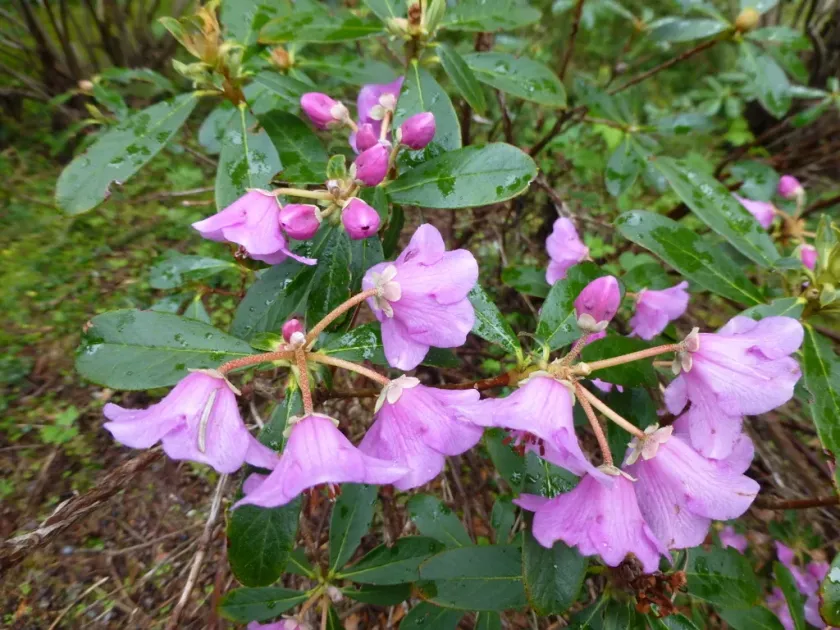
Description
Growing requirements
Rhododendron tsangpoense is a low-growing evergreen shrub belonging to the Ericaceae family. Originating from the high-altitude regions of Tibet, it is well-adapted to cool, humid environments and is highly valued by collectors of alpine-style vegetation.
The plant requires acidic, well-draining soil rich in organic matter. A mixture of peat, pine needles, and sand provides the optimal environment, preventing root rot, which is the most common cause of failure in cultivating this specific variety.
Light exposure is a critical factor for success. Rhododendron tsangpoense thrives in partial shade or filtered light, as the intensity of direct mid-day sun can scorch its delicate, small leaves and cause significant stress to the entire plant.
Consistent moisture is essential for health, especially during the active growth phase in spring. However, it is equally important to avoid waterlogging; providing a drainage layer at the bottom of the planting hole is a fundamental horticultural practice.
Maintenance should include annual mulching with organic material to keep the root zone cool. Because the root system is shallow, mechanical cultivation near the plant is not recommended as it may damage the fine root hairs responsible for nutrient uptake.
Main diseases and pests
Root rot, primarily caused by Phytophthora species, is the most serious threat to this culture. It is usually a result of poor drainage or heavy, water-saturated soils, making proper site selection the primary preventive measure against the disease.
Lace bugs are common insect pests that infest the foliage, causing a mottled, silver appearance on the leaf surfaces. Regular inspection and the application of insecticidal soaps or systemic treatments can effectively manage these populations.
Fungal leaf spots can develop in conditions of high humidity with poor air circulation. To combat this, it is recommended to space plants adequately and prune away any dead or diseased stems to improve overall airflow within the shrub's canopy.
Chlorosis, indicated by yellowing leaves with green veins, typically points to iron deficiency caused by high pH levels in the growing medium. Maintaining soil acidity is vital for nutrient availability and long-term health.
Winter desiccation can occur if the plant is exposed to drying winds during frozen ground conditions. Providing a protective windbreak or burlap cover for younger specimens during harsh winters is a standard recommendation in colder regions.