
Snow rhododendron
Rhododendron nivale
Description
Growing requirements
The Snow rhododendron (Rhododendron nivale) is a dwarf evergreen shrub belonging to the Ericaceae family, native to the high-altitude regions of the Himalayas and the Tibetan Plateau. It is a slow-growing species known for its remarkable ability to thrive in harsh, alpine environments.
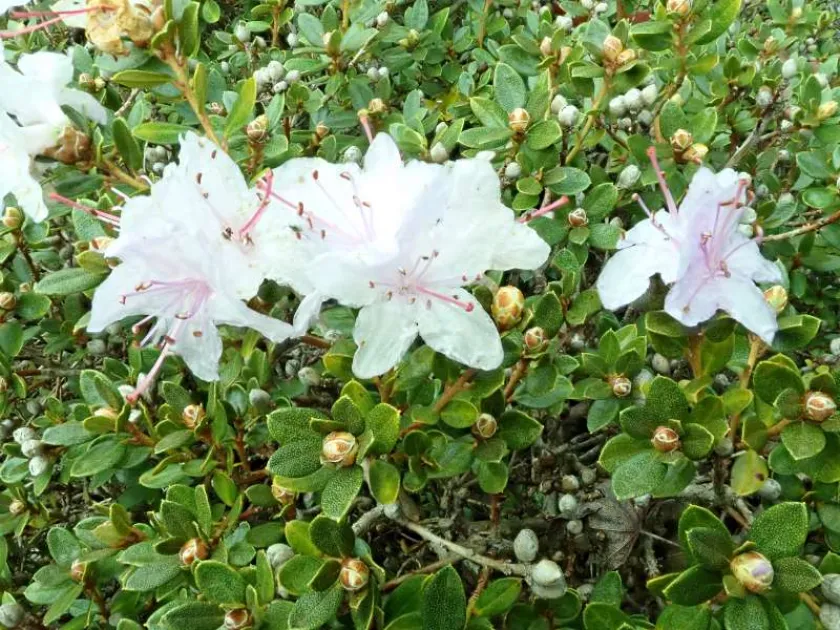
Botanically, this plant is characterized by small, leathery leaves covered in scales that serve as an adaptation to minimize transpiration. It maintains a compact, dense, mat-forming growth habit, rarely reaching heights above 60 centimeters, making it ideal for specialized garden environments.
Cultivation requires conditions that mimic the mountainous habitat: highly acidic, well-draining, and nutrient-rich soil. Providing an excellent drainage system is the most critical agricultural step, as the root system is highly sensitive to waterlogging, which often leads to root rot.
Climate preferences involve cool, humid air and consistent moisture levels. While the plant is extremely frost-tolerant, it struggles in hot, dry climates. Therefore, mulching the root zone and providing shading during peak summer heat is essential for maintaining the health and vigor of the shrubs.
The agricultural use of Rhododendron nivale is primarily decorative. It is highly valued in rock gardens, alpine troughs, and collections of mountain flora, where its ability to withstand extreme cold and poor soils makes it a unique candidate for professional landscape design in temperate zones.
Main diseases and pests
The primary threats to this species are fungal pathogens, specifically those causing root rot and leaf spot diseases. These issues are almost exclusively driven by improper soil moisture management, making drainage a preventative priority for any grower.
In terms of pests, the rhododendron bug and mealybugs represent the main risks. These insects feed on the plant's sap, which can cause significant yellowing and deformation of the leaves, eventually stunting the overall growth of the plant if left untreated.
Control strategies involve the judicious use of systemic insecticides for pest management and copper-based fungicides for disease suppression. Integrated pest management practices, including careful inspection of new nursery stock, are highly recommended to prevent infestation spread.
Maintaining the correct soil pH is vital for the plant's immune health. An alkaline environment or improper fertilizer use can induce nutrient deficiencies, making the shrub more susceptible to environmental stress and opportunistic pest attacks.
Regular maintenance pruning of dead or diseased wood is essential for airflow. By thinning out the dense foliage, growers can create an unfavorable environment for fungal growth, ensuring the long-term sustainability of the plant in a domestic or botanical setting.